Personally, I’m a summer person. I love the warm breeze on summer evenings, long days of sunshine, and the smell of campfires. Fall people love cozy sweaters and pumpkin patches. If you’re a spring person, you may love the bright colors and watching the world come alive after the winter.
We won’t necessarily see a flounder expressing their love for snow fall or hot beach days. But there are still, indeed, summer and winter flounder, and we happen to find both in our Coastal Bays!
Before we get into the differences between summer and winter flounder, let’s talk about what flounder even are.
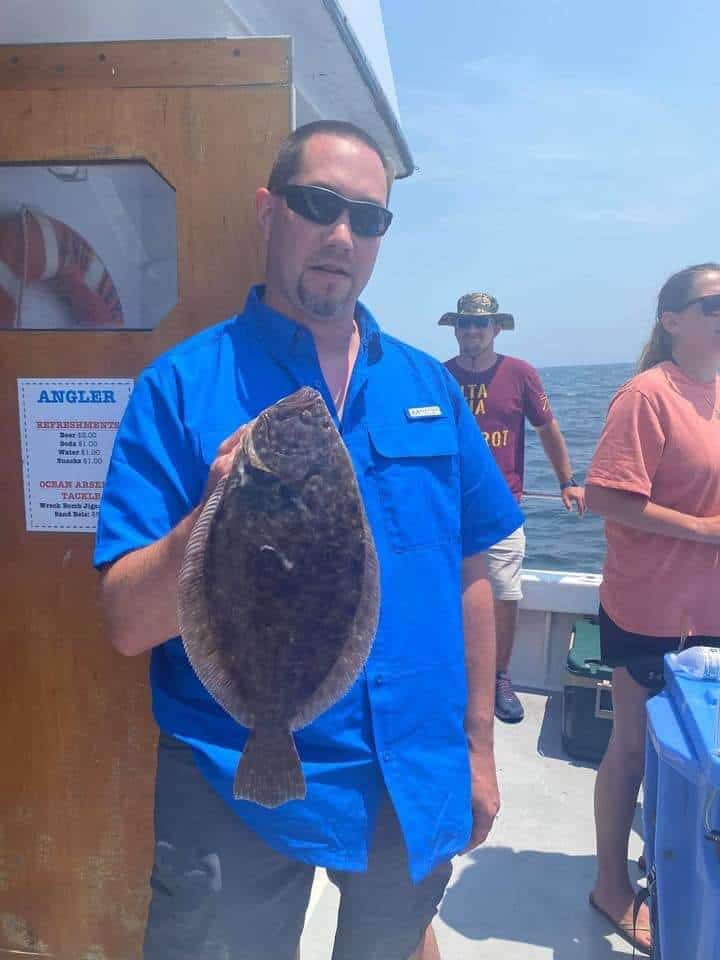
In many ways, flounder are similar to what we normally think of when we think of a fish. But, one big thing stands out – they are flat! Their flat shape is an adaptation to life on the bottom of the seafloor, where they lay motionless and covered with sand. That is, until, a meal comes along. When prey gets close to a flounder, it is typically quickly snatched, which is why they are labeled “ambush predators”. Their flat body benefits them in other ways too, since it allows them to be well camouflaged from predators like sharks and eels. And while their body shape and hiding strategies are enough to make them masters of camouflage, they can also change colors to match their surrounding environments.
Flounder are also a popular fish to catch, sought out by commercial and recreational fishermen alike. They can be found in very shallow and murky waters of near-shore estuaries, as well as waters that are much, much deeper. And despite the popularity of having these flatfish fried and served for dinner at your favorite seafood restaurant, most populations have stayed relatively stable over the years.
So back to winter and summer flounder – what the heck is the difference?
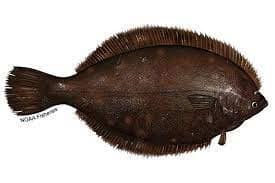
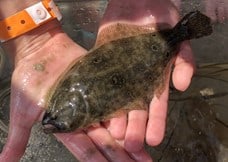
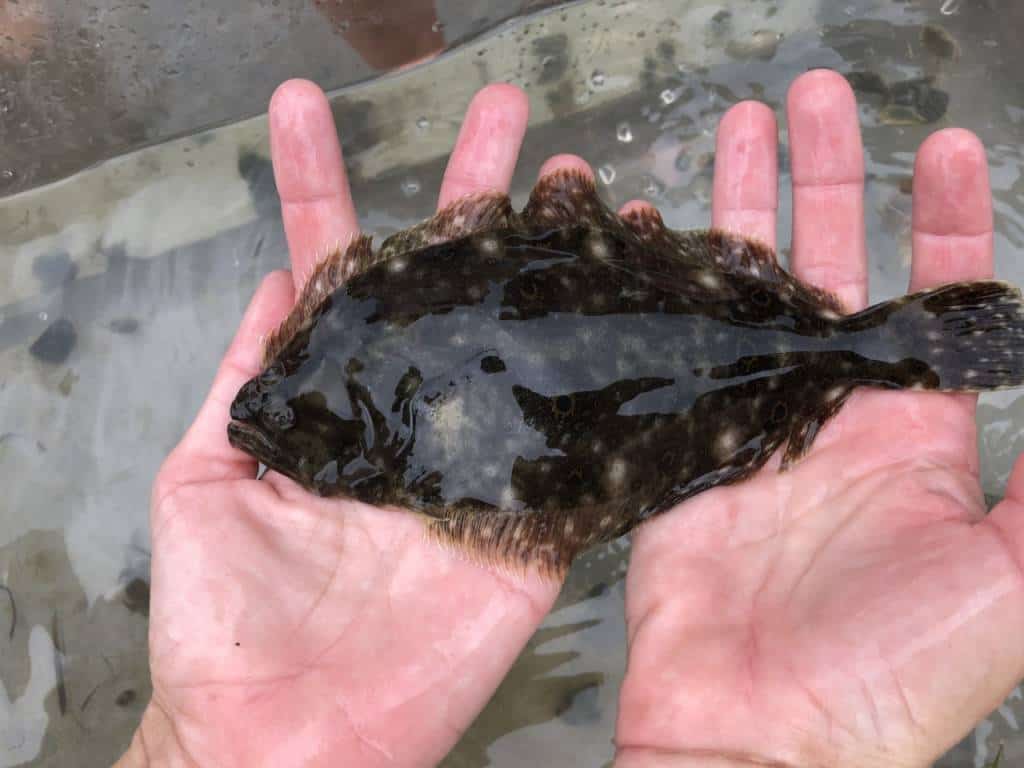
At a quick glance, it doesn’t look like there is much of a difference at all. However, there are a few easy indicators to help you out. The biggest difference between the two is what side their eyes shift to when they transform from larvae into juvenile fish. The eyes of summer flounder shift to the left side of their body, while the eyes of winter flounder shift to the right.
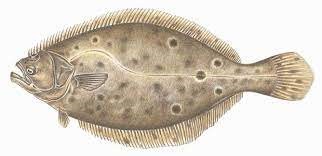
At this point you’re probably thinking, “They’re flat? How can I tell which way is which?”. When placed with their dorsal fin (the fin on the top of their body) upright, their mouth will be angled upright and their eyes will be slightly above their mouth.
There are also slight color differences between the two. Winter flounder tend to be a darker shade of brown than summer flounder, which also have ringed eyespots along the top side of their body. At least five of these eyespots will form an “X”, making the summer flounder look like the 5-side of a die. Summer flounder tend to grow larger than winter flounder, growing up to 3 feet, while winter flounder can only grow to about 2 feet. A summer flounder, in comparison to a winter flounder of the same size, will also have a much larger, toothier mouth, making them look like the older, more intimidating cousin of the winter flounder.
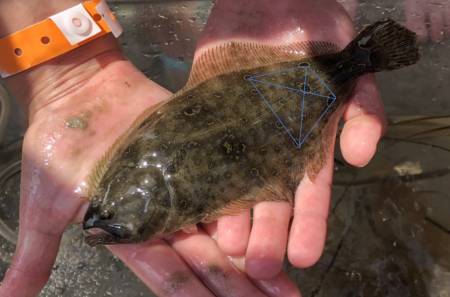
In our Coastal Bays, it is much more common to see summer flounder, since their normal range is from Massachusetts down to North Carolina. Winter flounder are commonly found north of the Delaware Bay up to Canada, but they find their way into our bays every now and then during the winter months. It is much less common to see winter flounder in the summer months when they migrate more north or into deeper waters.
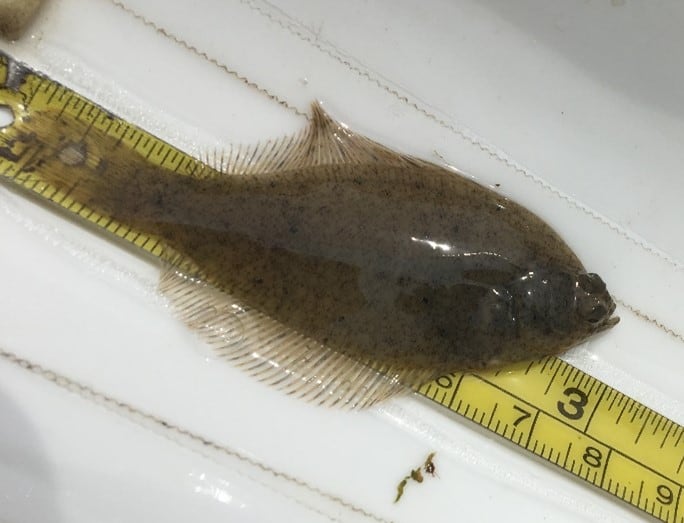
And, just to keep you hip with some different lingo you might hear, winter flounder are commonly referred to as black backs, while summer flounder are known as flukes or northern flounder (in contrast to the southern flounder, which reside in the southeast U.S. and Gulf of Mexico).
So if, in the future, you happen to hook a flounder or see one near shore (despite their fantastic camouflage), ask yourself: “What’s this flounder’s favorite season?”.
Author Background
Cailyn Joseph is a summer intern with the Maryland Coastal Bays Program. Cailyn works with both the science and education teams on programs such as wetland assessments, data entry, summer camp facilitation, lesson design, bird monitoring, public seining programs, and more. Cailyn graduated from Salisbury University in May 2021 with a B.A. in environmental studies and a B.S. in biology.
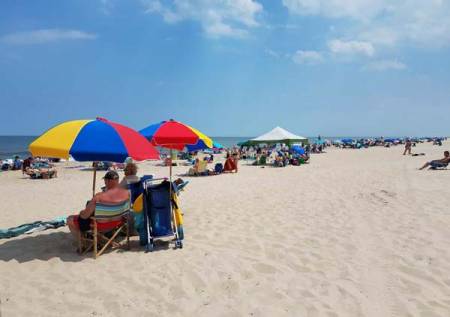
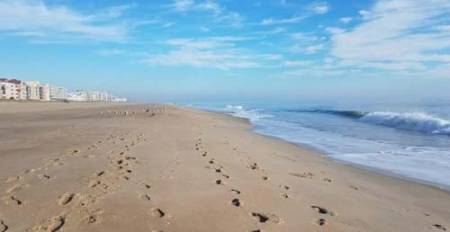 The dog days of summer are in full swing, and people have enjoyed the increasingly warm ocean for the past few months. As people flock to the waters of Ocean City each year, not only do they cool off, but they also enter the habitat of creatures almost larger than life – sharks. Before this week, there had never been a recorded shark attack in Ocean City, but visitors are anxious following a recent once-in-a-lifetime incident. The shocking possible attack serves as a reminder that the time is always right to be cautious and know how to stay safe.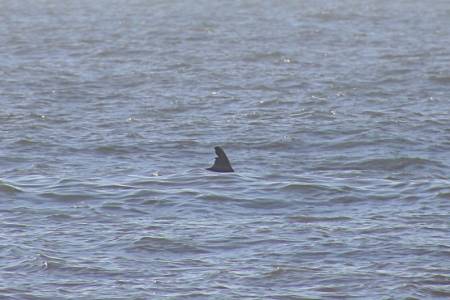
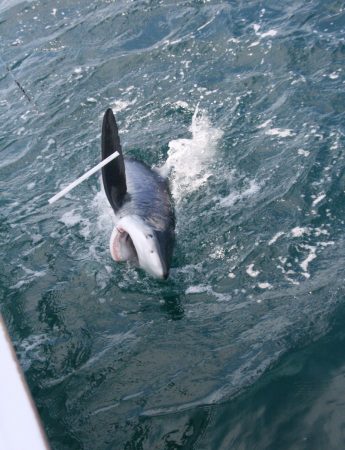 To avoid attracting sharks while swimming, there are a few general tips. First, never wear shiny jewelry or sequins and avoid swimming at dawn or dusk. Sharks frequently hunt in the dark and have much better awareness than humans do at those times. Additionally, try not to swim in areas with drop-offs or sand bars. Other tips include never swimming alone because sharks are more likely to approach an individual and avoiding nonstop splashing. After all, erratic movements can convince sharks that prey are nearby. Entering the water with an open wound would also be a major mistake, as sharks can sense tiny traces of blood. Finally, never swim near fishermen because they very well may be shark fishing and have bait in the water. Fishermen and marinas can chip in to safety efforts by not dumping fish carcasses into prominent swimming areas or the inlet.
 Although the average tourist wants to steer as clear as possible from sharks, some fishermen work to attract them. Back in 2016, Ocean City faced a massive problem as sharked fishing using the methods of chumming and blood-baiting surged at the north end of town. Fishermen used extremely large baits to bring in sharks using methods other than the traditional rod and reel. Videos showed a man allegedly operating a business that allowed people to reel in sharks and pose with them on the sand.


















































































 The
The  “It’s important to bring together music, craft beer, and beach culture for people to gravitate towards in our market and beyond,” said Hoffman. “We want to build a festival for our customers unlike anything before that allows them to enjoy an exciting weekend in Ocean City. Our interactive Jellyfish village will be lively and great for the family.”
 Still, one name bigger than all the rest will take the stage in Ocean City over Labor Day weekend. Country star Brad Paisley will perform on Sunday, September 5, in a show promoted by Ocean City Concerts. Tickets go on sale Friday, July 30 at 10:00 a.m.
  Many believe that the expansion of the craft beer business is key to tourism and growth in Ocean City.
 By
By 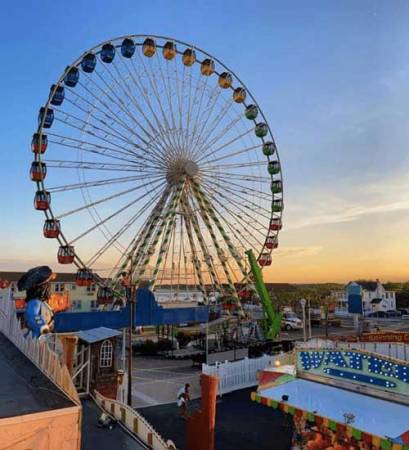 Since 1890,
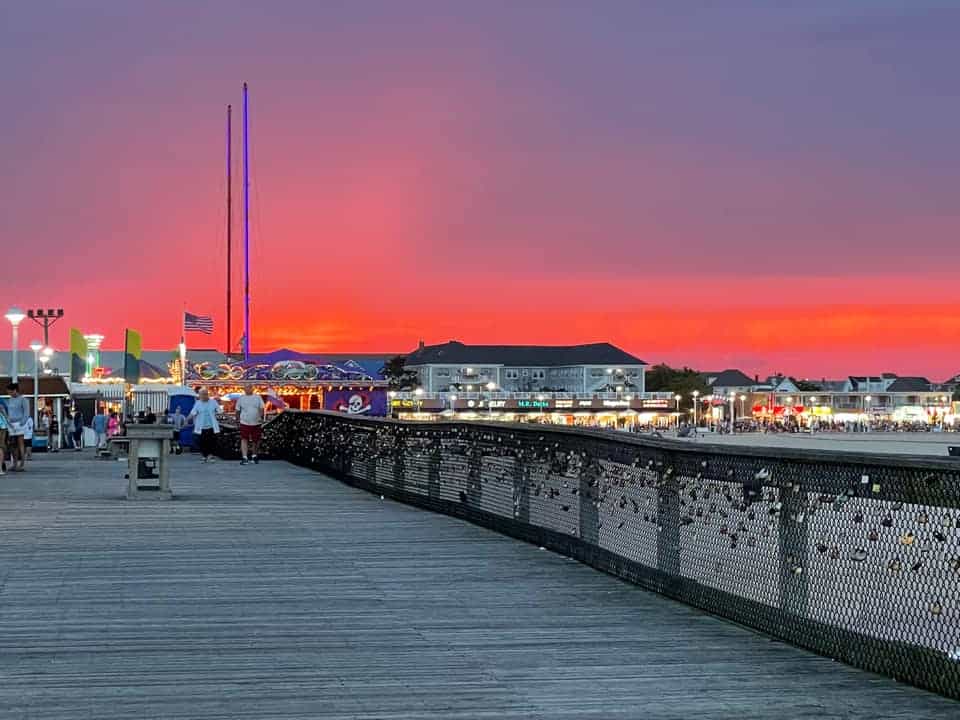
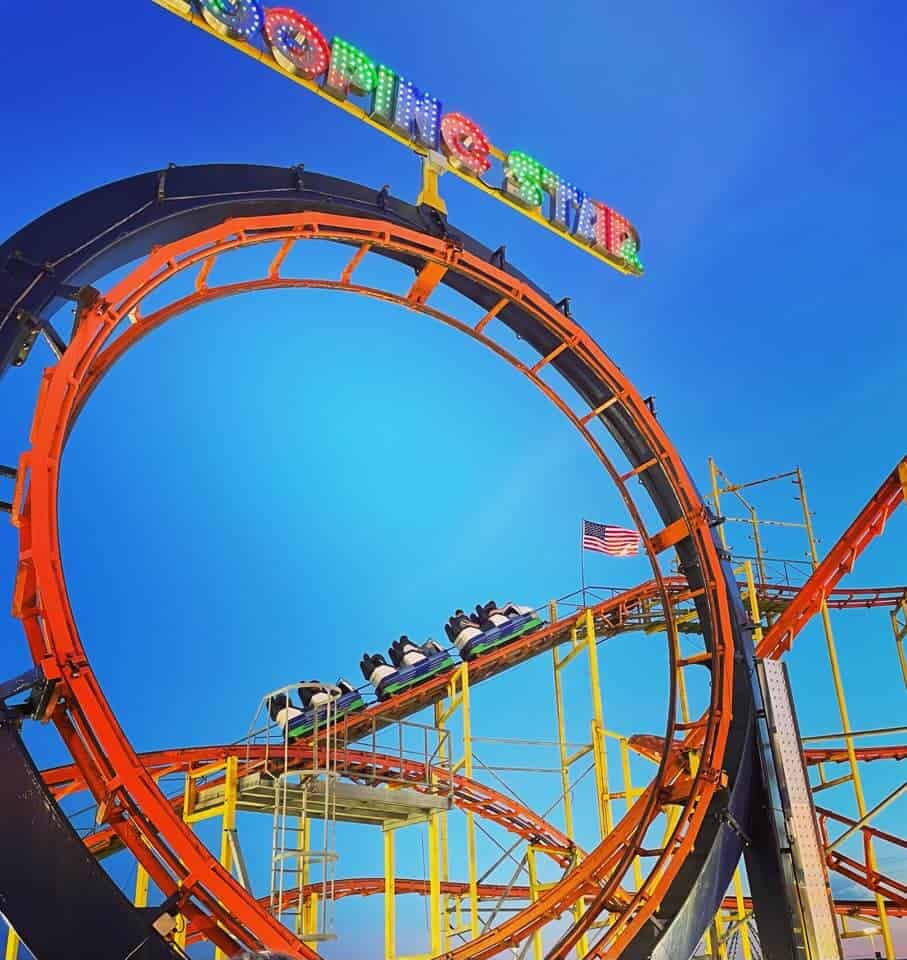
  More thrilling roller coasters are also housed at Jolly Roger at the Pier, located along the Boardwalk on South Atlantic Avenue. Better yet, there is a Giant Wheel, so tourists who missed the Big Wheel still have a chance to see breathtaking views of Ocean City from a perspective unlike any other.
 Talbot Street Watersports also operates the OC Rocket, a speed boat that launches across the ocean. Click
  Marlin Fest: From August 2-6, as part of the