
The magnificent barrier island system in Maryland has captured the hearts of many. Behind Ocean City’s and Assateague’s beautiful beaches are shallow bays and winding creeks that host abundant wildlife and unforgettable beauty. Vacationers, and residents alike, have enjoyed the excitement of this resort wonderland and the peaceful tranquility of the shared federal-state seaside park for generations. But by the mid 20th century, this coastal jewel was quietly under siege.
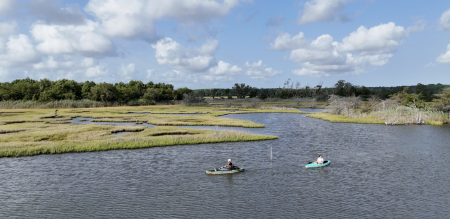
The boom of development, the rise of tourism, and the resulting environmental threats were starting to overwhelm this delicate ecosystem. The waters, once teeming with life, began to show the tell-tale signs of stress: excessive algae from nutrient pollution, declining natural wildlife habitats, and struggling aquatic populations. Local residents, watermen, and conservationists began to worry that their way of life—and the ecosystems that sustained it—might be slipping away. But, out of that concern grew a community focused on solutions.
A small band of determined citizens understood that saving the bays would require more than scientific reports or government mandates–it would take the hands and hearts of the people who lived there. So, they contacted the Maryland Department of Natural Resources for help and in time a team of dedicated scientists joined with local governments and passionate citizens to identify efforts that might help this threatened resource.
The team knew significant financial resources would be needed, and even though it was a long-shot, they applied to the Environmental Protection Agency to be included in the prestigious National Estuary Program – and they succeeded! In 1996, the Maryland Coastal Bays Program (MCBP) was formed to become one of 28 estuary programs around the nation.
Armed mainly with a bold vision and a belief in the power of consensus, they faced a monumental task: knitting together a patchwork of competing interests—tourist industries, farmers, fishermen, and residents—to agree on a single, shared path forward. A grassroots partnership was formed with the support of federal, state and local resource agencies and tasked with demonstrating that only environmental protection can bring long-term economic prosperity – a daunting challenge for such a rapidly developing area.
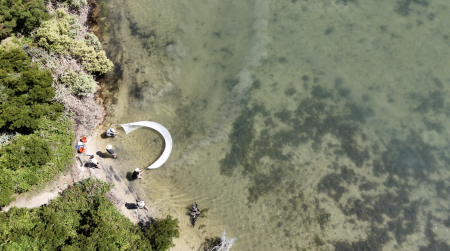
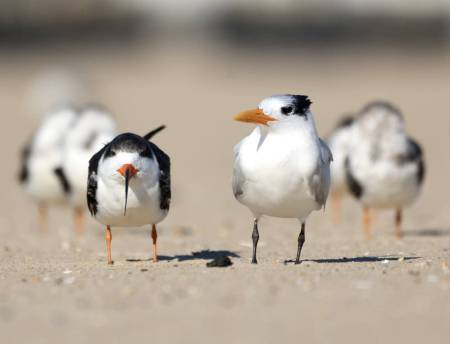
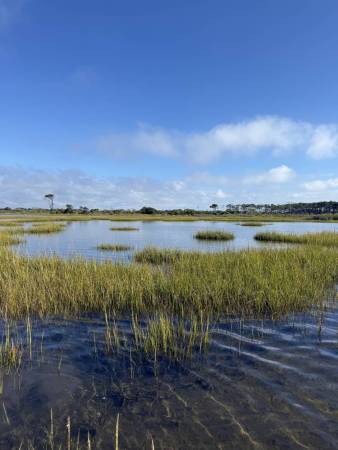
In spite of many challenges, the partnership persevered. Over nearly three decades, the MCBP transformed from a hopeful concept into a powerful, collaborative force. They deployed meticulous, long-term scientific monitoring, gathering data that proved invaluable in charting a course for recovery. They didn’t mandate change; they inspired it. They worked shoulder-to-shoulder with farmers to implement best management practices designed to reduce nutrient runoff. They worked with homeowners and municipal officials to ensure wastewater reduced nutrient releases. They protected acres of vital wetlands, the bays’ own natural filters, allowing the ecosystem to begin healing itself. They worked with watermen and legislators to ensure the protection of seagrass beds. They championed projects like the establishment of nesting sites for species like the Common Tern, providing a safe haven for life to flourish again. Citizens volunteered to monitor water quality, plant marsh grasses, and restore shorelines. Businesses began to adopt greener practices. Teachers incorporated bay ecology into their lesson plans, and schoolchildren learned to test water samples and release terrapins back into the marshes. Slowly but surely, the tide began to turn.
Today, the fruits of this unwavering dedication are unmistakable. While challenges like climate change and continued growth persist, the bay system is fighting back. Finfish and shellfish populations have made remarkable recoveries, an encouraging sign of improved water quality. Nutrient trends show a definitive improvement in many parts of the system, a clear testament to the hard work of partners across the watershed.
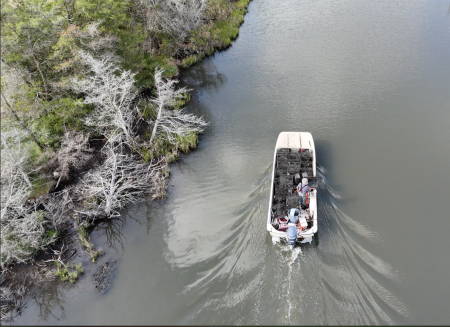
The MCBP has become a model of successful watershed management, proving that when people choose collaboration over conflict, and when passion guides policy, even the most fragile of natural treasures can be safeguarded for future generations. The Maryland Coastal Bays are not just surviving; they are embarking on a path toward thriving because of the powerful commitment made by this small community.
What began as a small effort by a few passionate individuals has grown into a thriving partnership of citizens, scientists, and policymakers working toward a shared vision: a healthy, sustainable coastal ecosystem that supports both people and wildlife. The story of the Maryland Coastal Bays is a story of renewal. It shows that when communities come together—when fishermen and farmers, students and scientists, government and grassroots groups share a common purpose—the tide can turn. The bays that once faced decline now shimmer again with life, a living reminder that restoration is not only possible, but powerful.
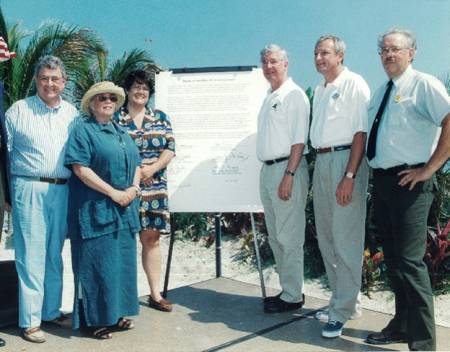
We hope you will join us this year to celebrate the magnificence that is this watershed and the work that has been conducted by Coastal Bays and partners over the past 30 years. Check back on our website at mdcoastalbays.org for continuous updates on special events and our 30th Gala that will take place on September 17, 2026 at Assateague State Park.
Article by MCBP Board of Directors Chair Steve Taylor.