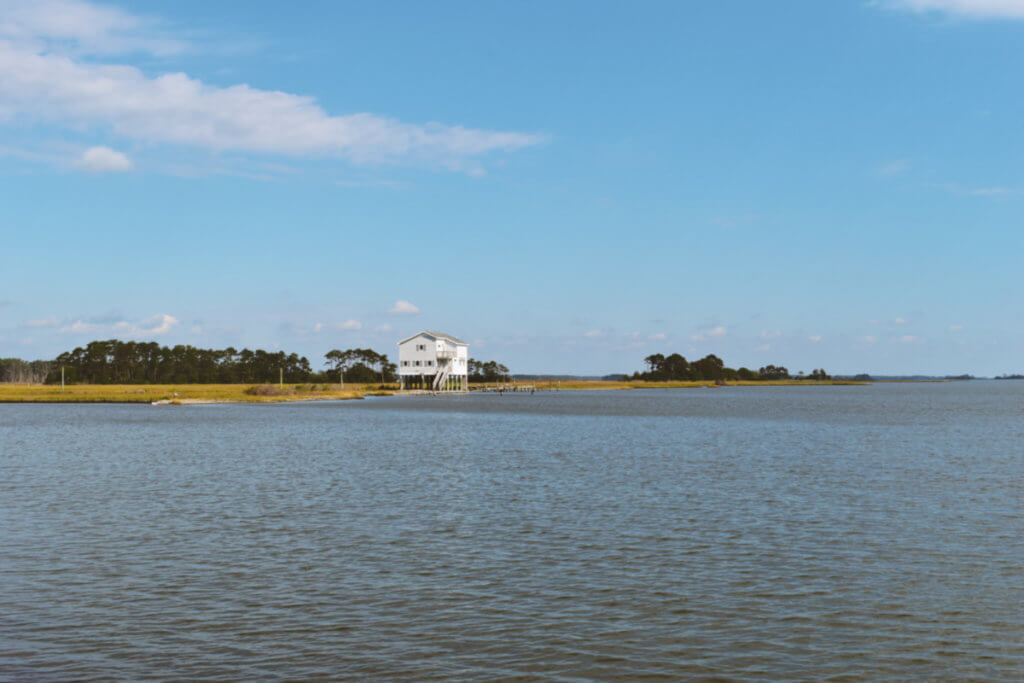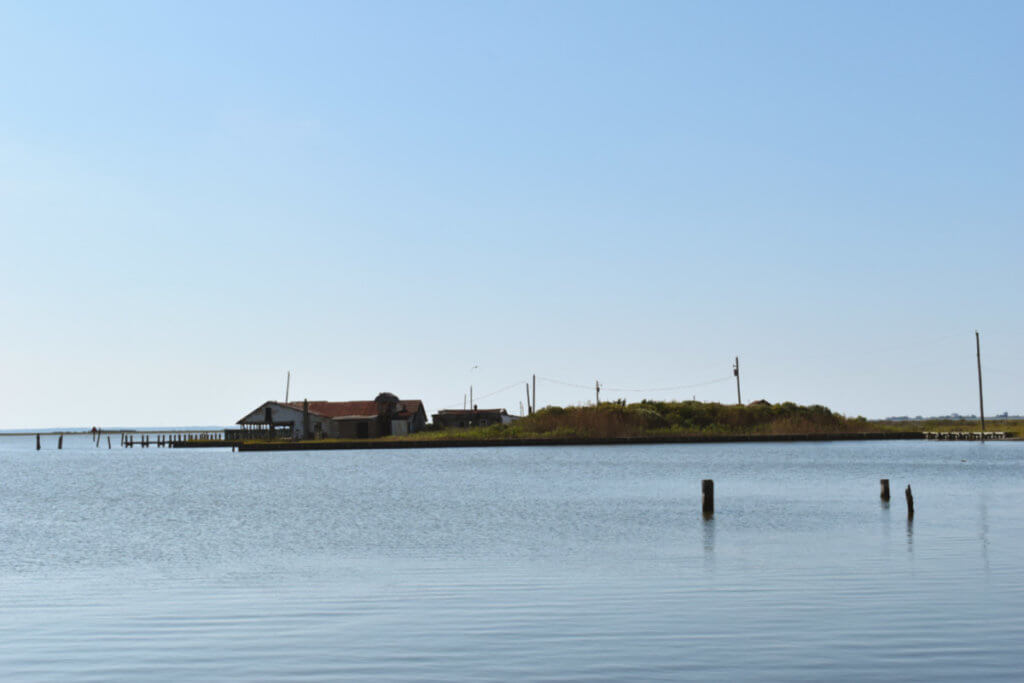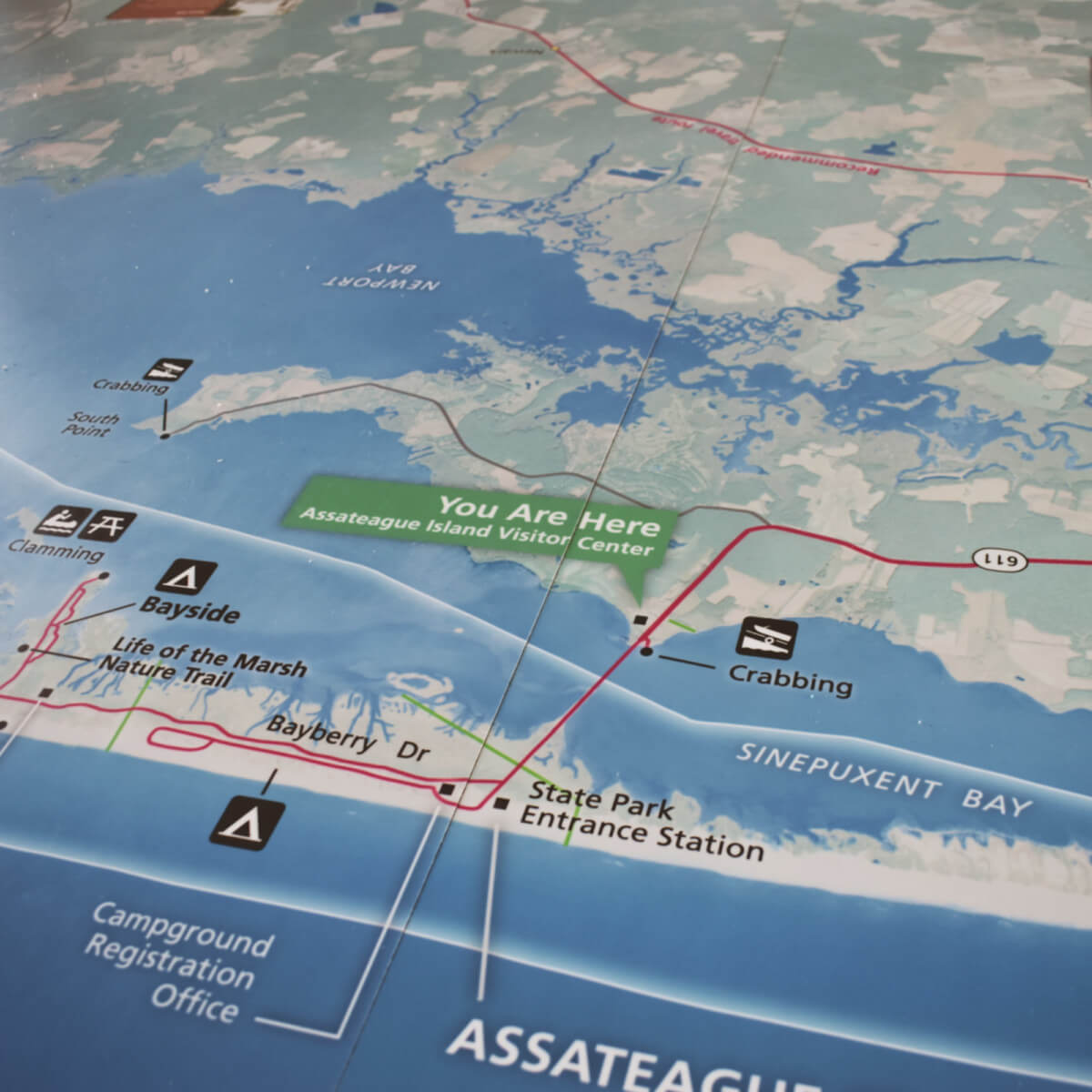
South of Snow Hill, Md. and just north of Virginia is George Island Landing, an unincorporated community in Worcester County about an hour’s drive from Ocean City. Unless you’re driving south to Chincoteague and making a detour on George Island Landing Rd., the beachy boat launch spot and the little town it’s nestled in, Stockton, are easy to miss. But the middle of nowhere is an interesting place. You just keep going until you run out of everything.
Stockton was once known as Sandy Hill, Maryland, and until the 1930s, it was a prosperous watermen’s village with commercial fishing operations and an economy that relied on their famous Chincoteague oysters. The name Stockton came in the late 1800s, after Methodist minister Thomas H. Stockton. The town was complete with three churches, a school, a hotel, a steam sawmill, a train depot, downtown stores and shops and a nearby grist mill, though a fire that started in a general store destroyed most of the town’s business district in 1906.

In 1933, the famous storm that cut the Ocean City Inlet and ultimately built Ocean City as the destination it is today, led to the rapid decline of Stockton and George Island Landing. 15 oyster packing houses were destroyed in the storm. The new Inlet in Ocean City resulted in an influx of saltwater to the Stockton bays and caused parasites that decimated the local oyster population. Most of the oyster packing houses were never rebuilt; today, however, commercial crabbing and clamming remain strong. In the 2000 census, the population of Stockton was 143.
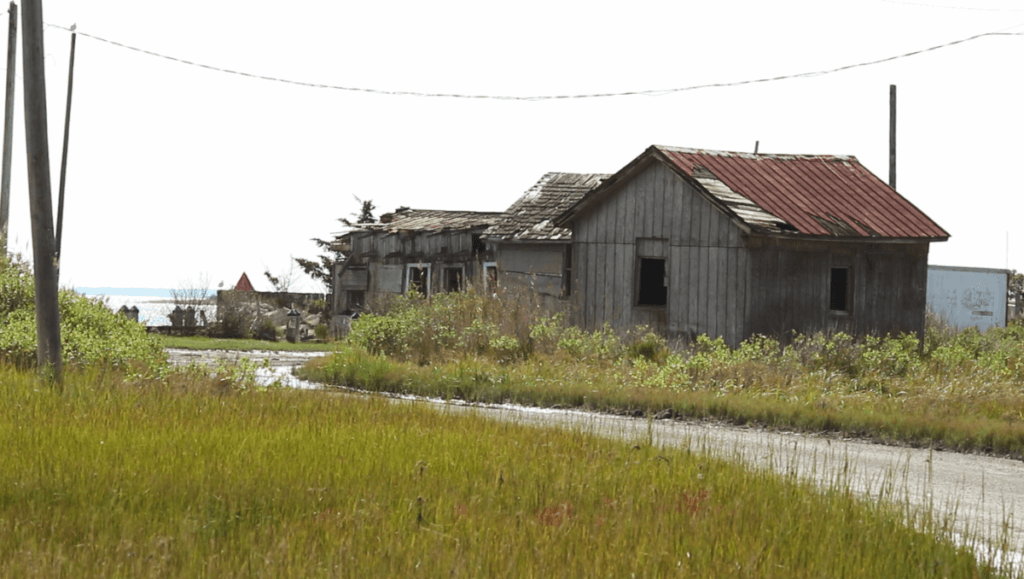
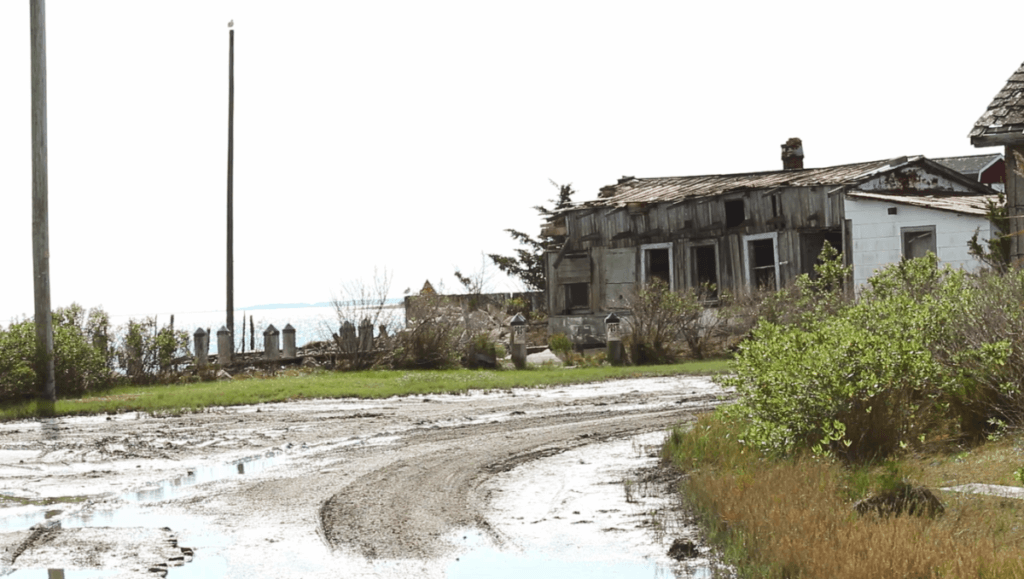
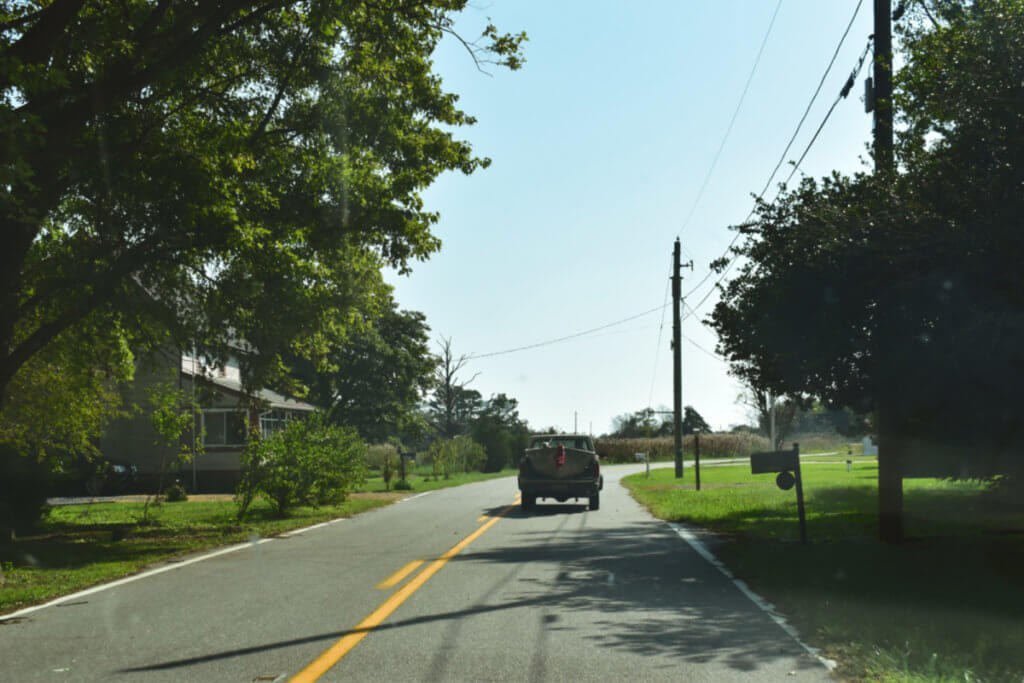
We drove down Snow Hill Road to get to George Island Landing, first passing through another small town, Girdletree, then through Stockton. We passed its churches and cemeteries, its volunteer fire department, empty old shop buildings that might have once made up a “downtown” or at least a street corners-worth of stores, and houses, some clearly occupied and decorated for the fall and others in any stage of abandonment. There are enough cemeteries in Stockton and Girdletree to imply that there are more people buried underneath the two towns than there are people currently living above them.

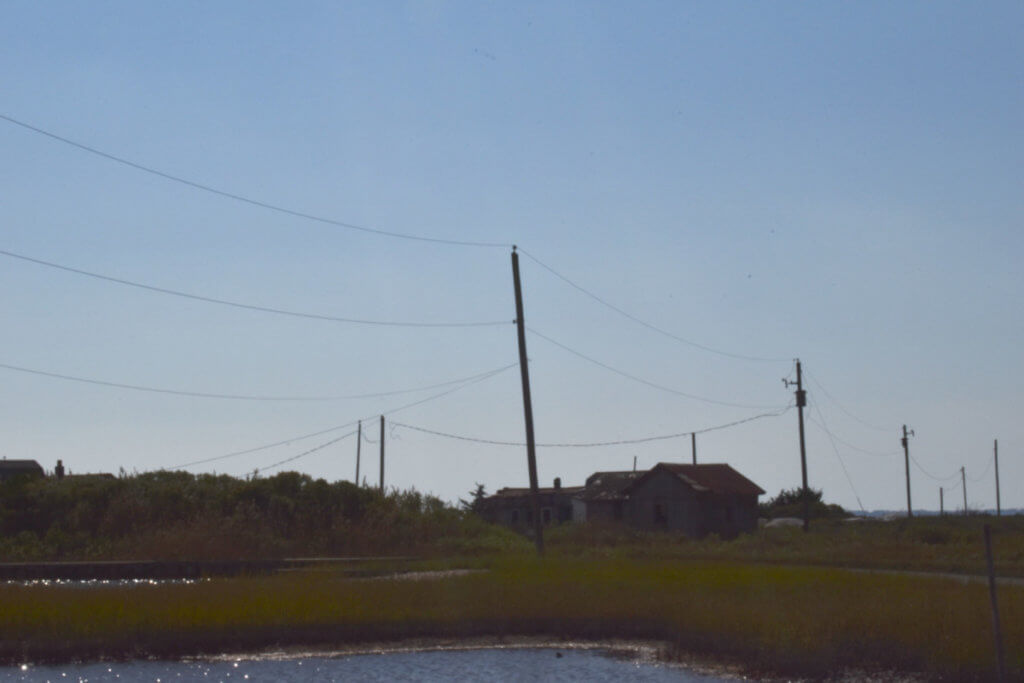
It’s an Eastern Shore town through and through; it has a little bit of a deserted feel, especially in the middle of the week, and some of the houses and even commercial buildings have the look that they’re still waiting for their owners to come back, even 20 or so years later. Most of them have solid structures, some with bricks that look centuries old, and there is the promise that someone someday will come back in and reopen shop.
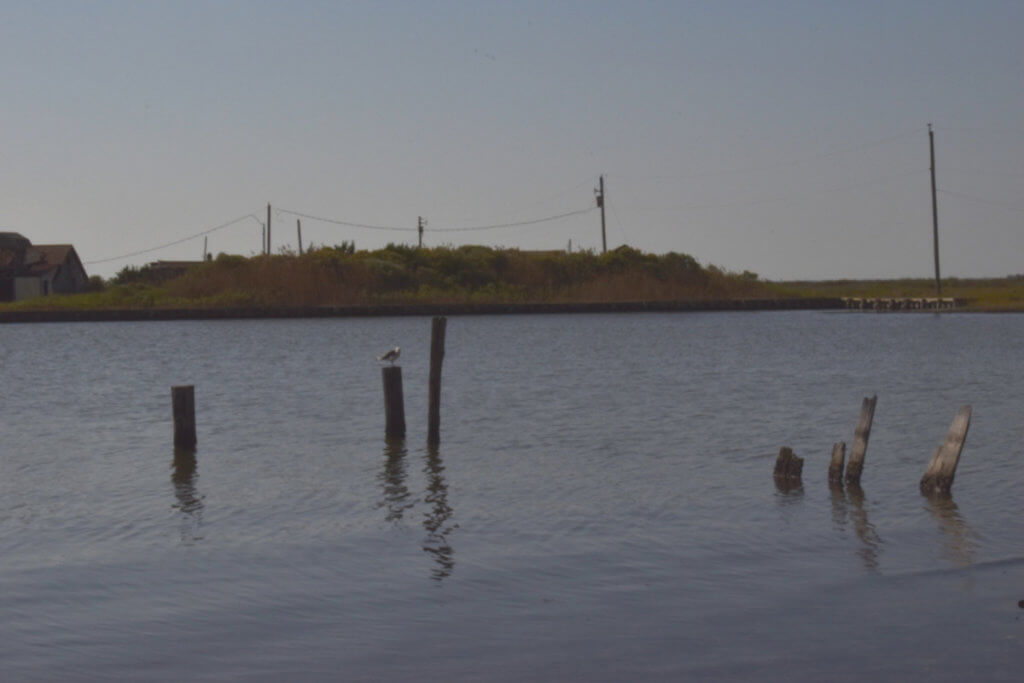
It’s also really beautiful, another given for small towns on the Eastern Shore. I did title this piece “Abandoned Eastern Shore” even if that is a little bit misleading. People still live here, fish here, boat here, although most of them probably don’t work here unless they’re in the commercial crabbing and clamming trade, but there are still people in the region who get to wake up and enjoy this kind of quiet, peaceful beauty every day. There’s even a bar, the Timeless Tavern, which I would love to stop in one day. If you’re someone that enjoys exploring abandoned haunts (and ignoring “No Trespassing” signs, in this case, which I’m proud to say that I did not do as I took my photos from afar), spending a few quiet hours on a canoe or finding a shady spot in nature to read a book, where your only company is the gulls and chirpy swamp insects, then George Island Landing comes highly recommended. It’s only an hour from Ocean City, but it seems like worlds away.