
Featured
Residents' Voices Lead to Cleanup of Dead Horseshoe Crabs in Ocean City's 94th Street Canal
By Katie RuskeyJuly 16, 20263 min read
On this page
For the past several years, Ocean City resident Brooke Gentry has noticed a troubling pattern in the canals around 94th Street. Each summer, dead horseshoe crabs would collect along the water's edge. In years past, neighbors pitched in to clean them up themselves. This year, however, the sheer number of crabs made the task impossible.
Documenting the Disaster
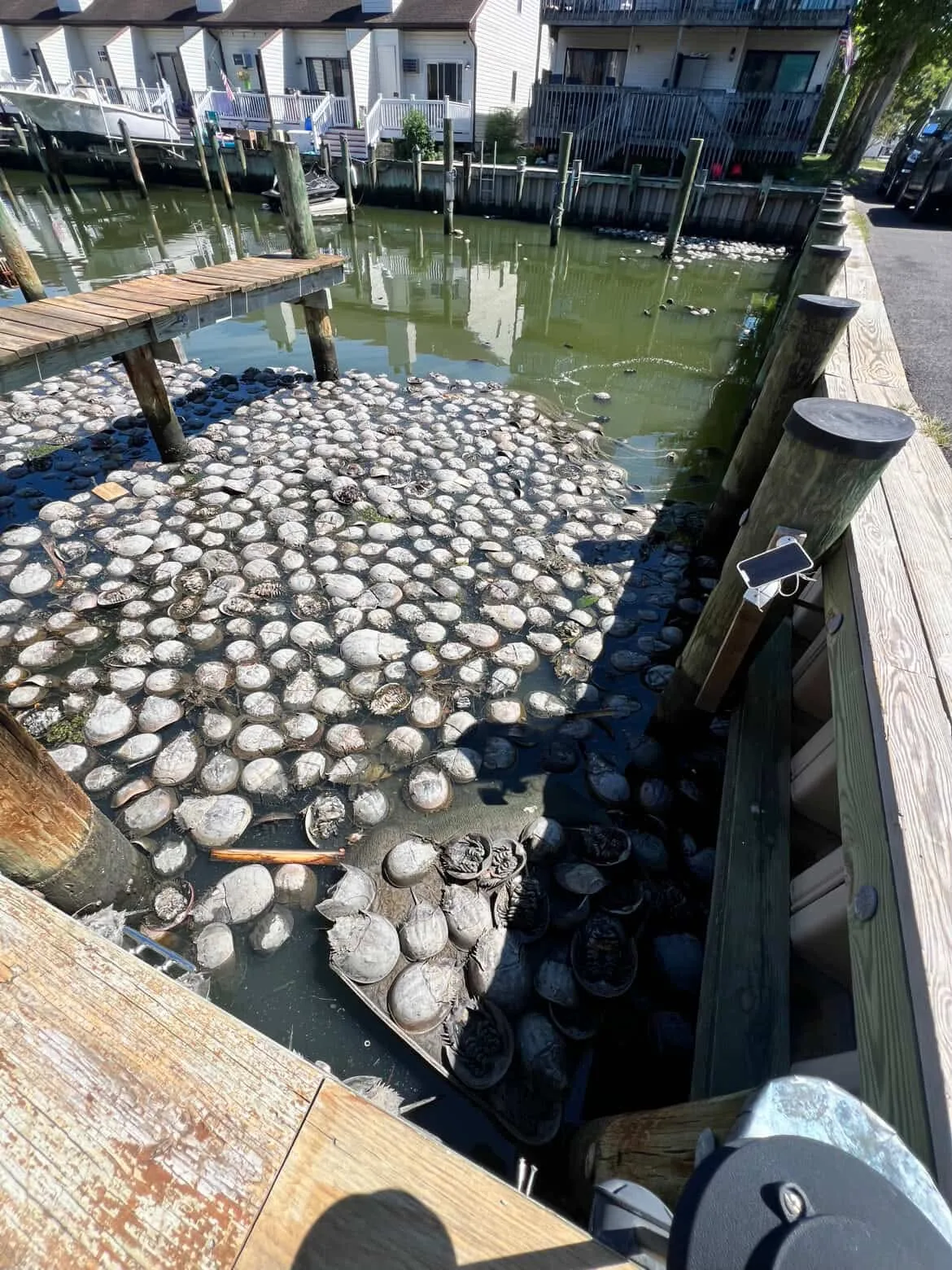
Around the Fourth of July, Gentry began documenting the growing accumulation, sharing photos of hundreds of lifeless horseshoe crabs floating in the canal with little water movement to carry them away. As the days passed, the smell intensified, and so did residents' concerns.
Trying to find answers, Gentry spent days making phone calls to Public Works, the Maryland Department of Natural Resources, the Town of Ocean City, and several other organizations. Instead of finding a solution, she found herself caught in a frustrating cycle of being referred from one agency to another.
Mixed Reviews from Social Media
On July 8, Gentry shared her concerns on social media, where the post quickly gained attention. The response was mixed. Many people applauded the neighborhood for trying to bring attention to the issue and find a solution, while others dismissed the concerns, saying it was simply part of living on a canal in Ocean City.
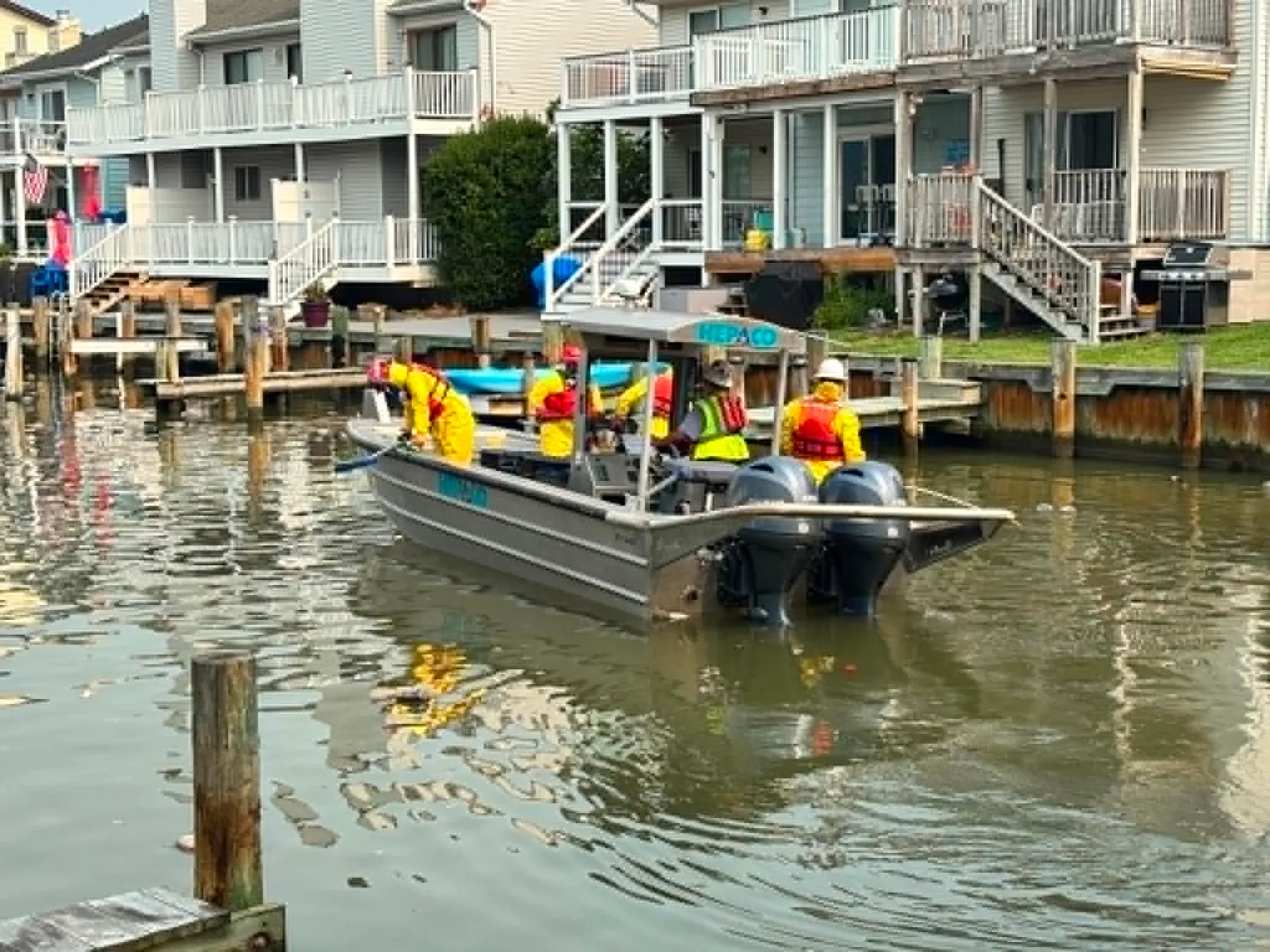
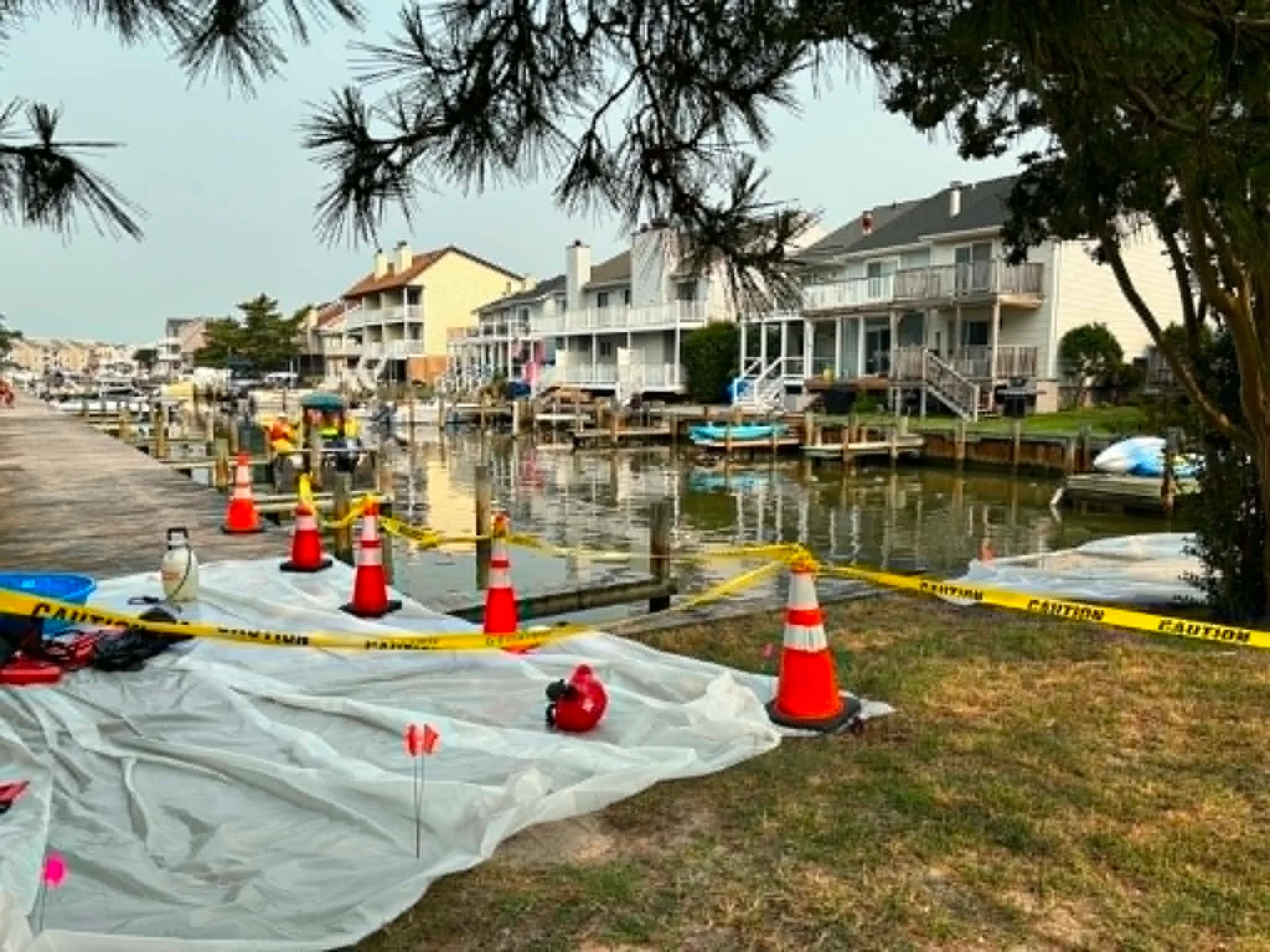
As more residents joined the conversation online, the Town of Ocean City took notice. Cleanup crews have since begun removing the dead horseshoe crabs from the canal, bringing some relief to waterfront homeowners dealing with both the sight and the odor.
Why Are They Dying?
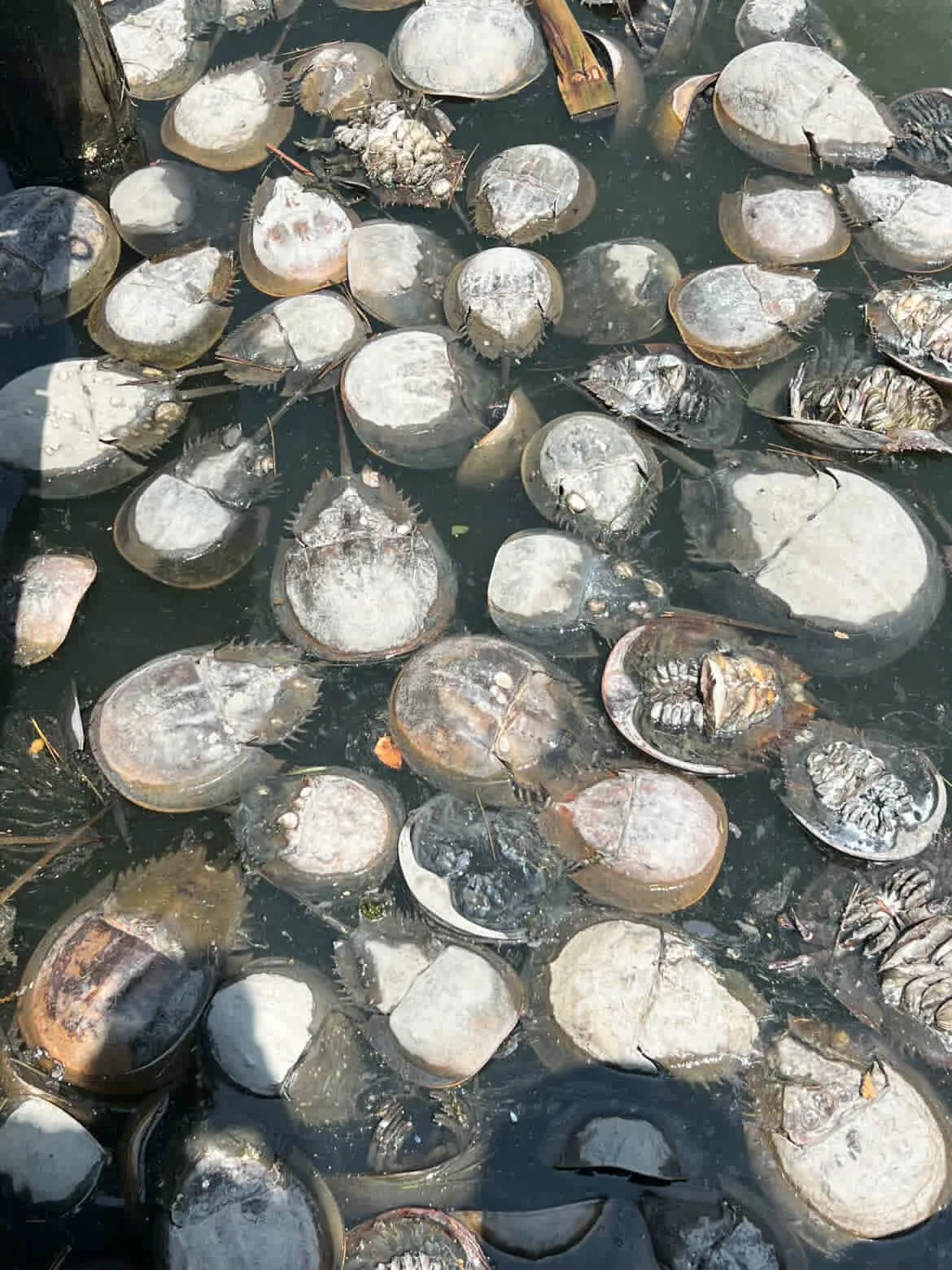
According to the Coastal Bays Program, while horseshoe crab mortality naturally increases during spawning season, several environmental conditions have likely made this year's situation worse. High water temperatures, low dissolved oxygen levels, increased bacteria from decomposing crabs, and very little water movement due to the canal's location have all contributed to the accumulation.
Although this year's die-off appears especially severe, Coastal Bays notes that it isn't always this extreme. Conditions change from year to year depending on tides, moon phases, and water temperatures.
The organization also explained that horseshoe crabs become trapped in canals throughout Ocean City's bayside, but research has shown they are often capable of finding their way back into open water. Scientists know this because tagged horseshoe crabs have later been recaptured outside of canal systems, demonstrating that many are able to swim out when conditions allow.
Research Continues
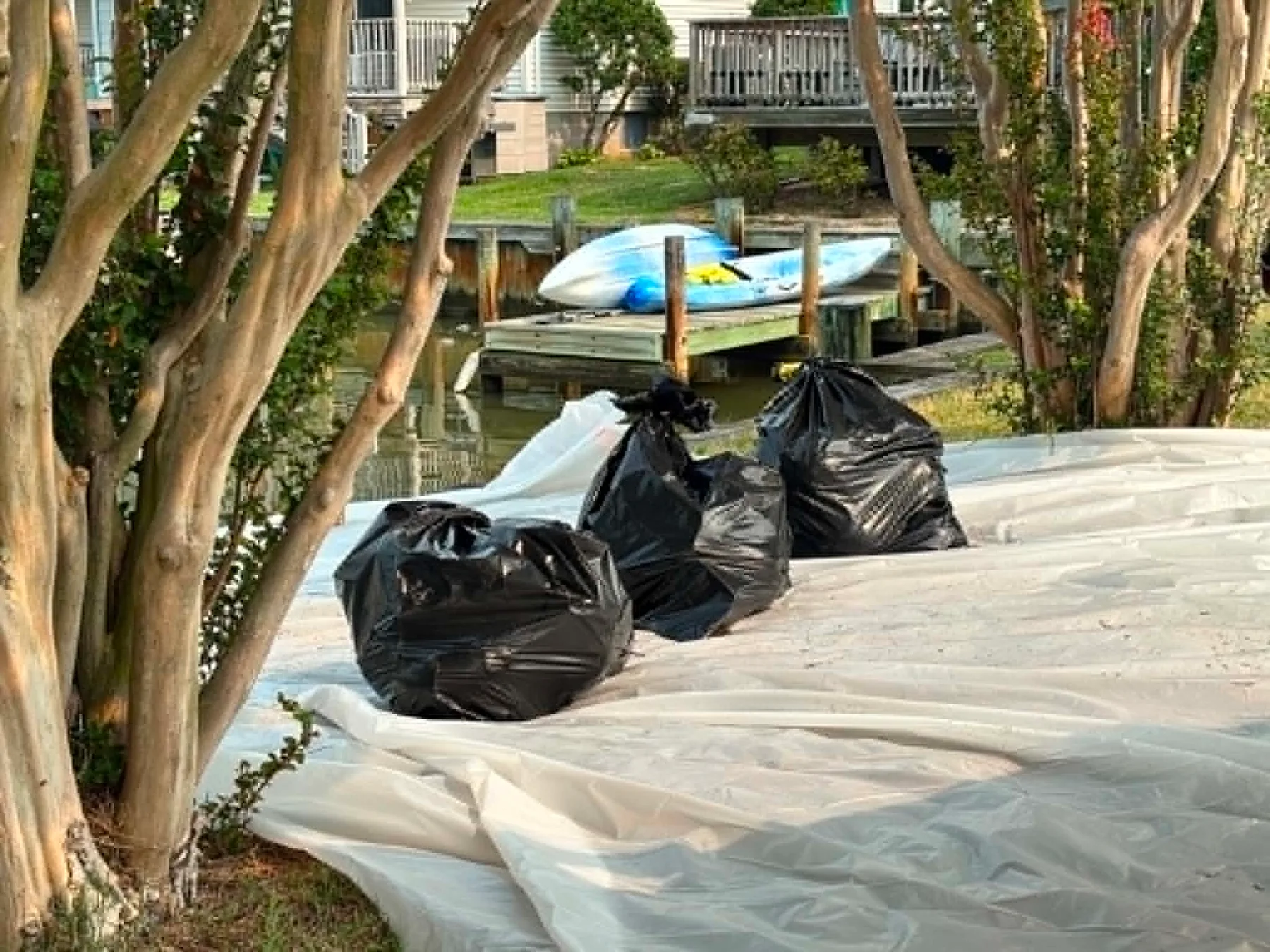
Researchers continue to study why the 94th Street canal experiences such significant accumulations. In a statement, the University of Maryland Eastern Shore Department of Natural Sciences said:
"Research conducted to date has included water quality testing, chemical and biological testing of 10 dead-end canals including those on 94th Street, and surveys to determine if this problem is unique to the 94th Street canal system. With the information the research team currently has, they believe the problem is unique to the 94th Street system. UMES scientists will continue to conduct studies to determine the cause, which could include multiple factors."
While many questions remain, residents are encouraged that their concerns were heard. What began as one neighbor documenting an increasingly unpleasant problem has led to action, renewed public awareness, and continued research into why the 94th Street canal experiences this unusual phenomenon.
Photo Cred: Katie Ruskey and Brooke Gentry
About Katie Ruskey
Get Ocean City in your inbox
Updates, events, and deals — delivered weekly. No spam, unsubscribe anytime.
From visitors
Comments
Have something to add? Drop a comment below.
Be the first to share your experience.