
Things to Do in Ocean City
Horseshoe Crab Migration in Ocean City, Maryland: Where to See This Incredible Natural Spectacle
Witness the incredible horseshoe crab migration in Ocean City, Maryland. Learn where to see them, why they matter, and fascinating facts about these 450-million-year-old "living fossils."
By AnnJuly 13, 20267 min read
On this page
Every summer, one of the world's oldest living creatures arrives on the beaches and bays of Ocean City, Maryland. The annual horseshoe crab migration is one of nature's most remarkable events, drawing thousands of prehistoric-looking animals to the shoreline under the light of the full and new moons. Whether you're a wildlife enthusiast, photographer, or simply looking for a unique family experience, witnessing the horseshoe crab spawn is an unforgettable part of summer on Maryland's Eastern Shore.
What Is a Horseshoe Crab?
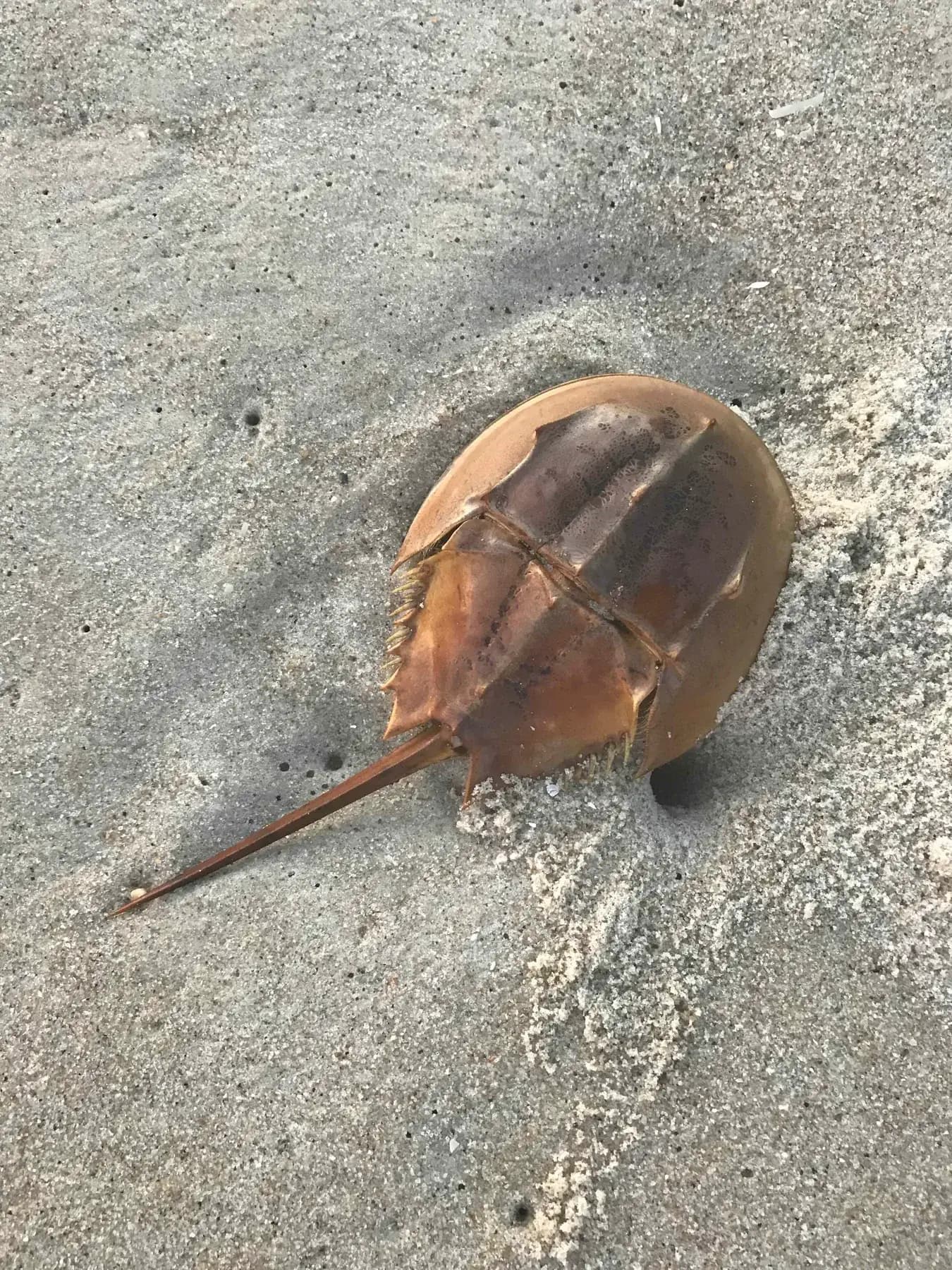
Despite its name, the horseshoe crab isn't actually a crab.
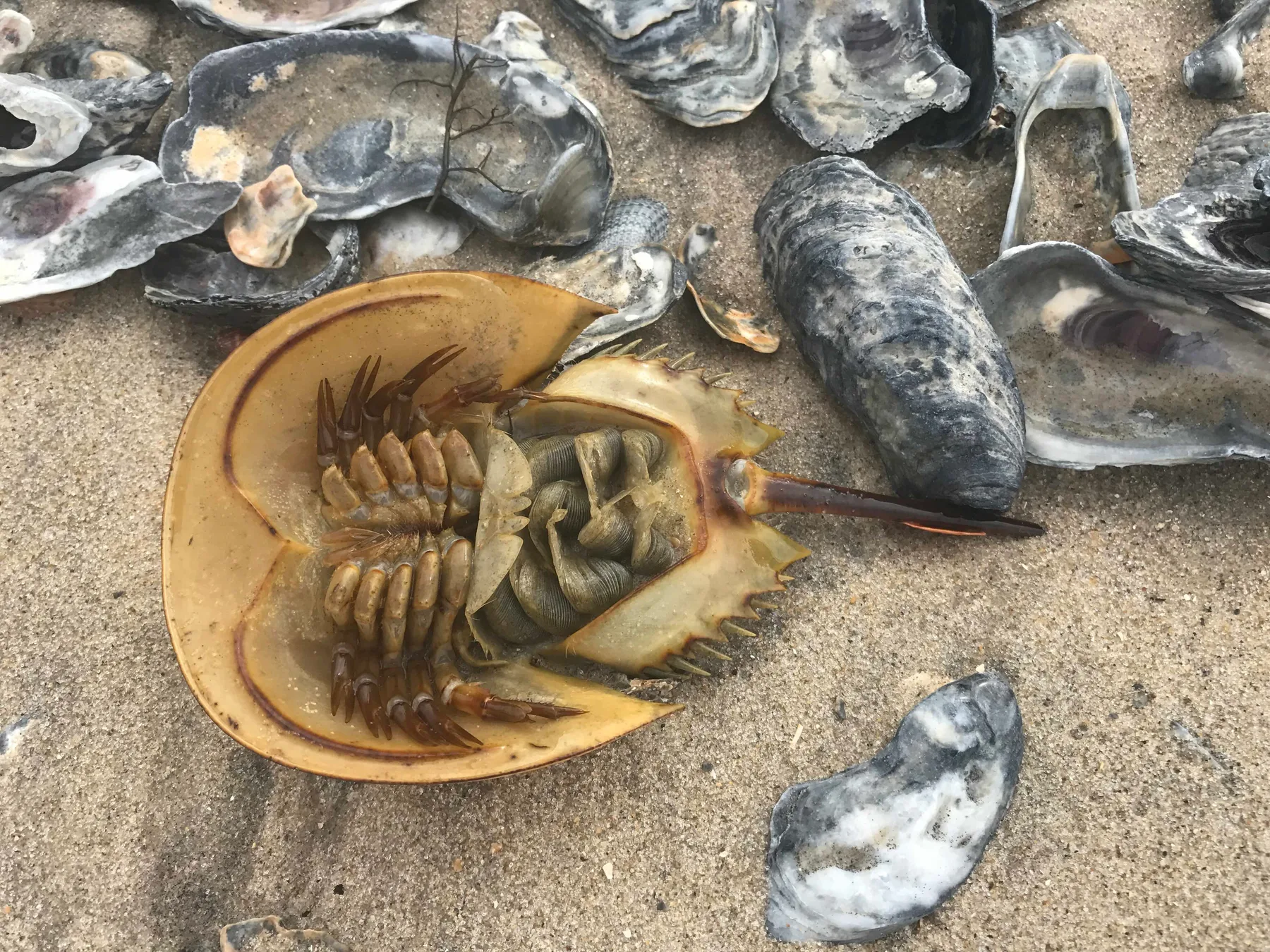
Instead, these fascinating creatures are more closely related to spiders and scorpions than to blue crabs or other crustaceans. Their distinctive horseshoe-shaped shell, armored body, and long pointed tail (called a telson) have remained largely unchanged for hundreds of millions of years.
The tail isn't a stinger—it serves as a rudder while swimming and helps the animal flip itself upright if it becomes stranded upside down.
A Living Fossil: The History of the Horseshoe Crab
The Atlantic horseshoe crab (Limulus polyphemus) is often called a living fossil because it has survived for approximately 450 million years.
To put that into perspective:
Horseshoe crabs appeared long before dinosaurs existed.
They survived multiple mass extinctions.
They've lived through ice ages, shifting continents, and dramatic climate changes.
Scientists consider them one of Earth's oldest surviving species, making every horseshoe crab you see a living piece of natural history.
Why Horseshoe Crabs Come to Ocean City
From late May through early July, thousands of horseshoe crabs migrate from deeper Atlantic waters into the bays around Ocean City and Assateague Island.
Their mission is simple:
To reproduce.
Ocean City's shallow sandy beaches provide ideal nesting habitat, making the area one of the East Coast's most important spawning grounds.
Their migration is remarkably precise, occurring during the highest tides associated with the full and new moons.
Why the Moon Matters
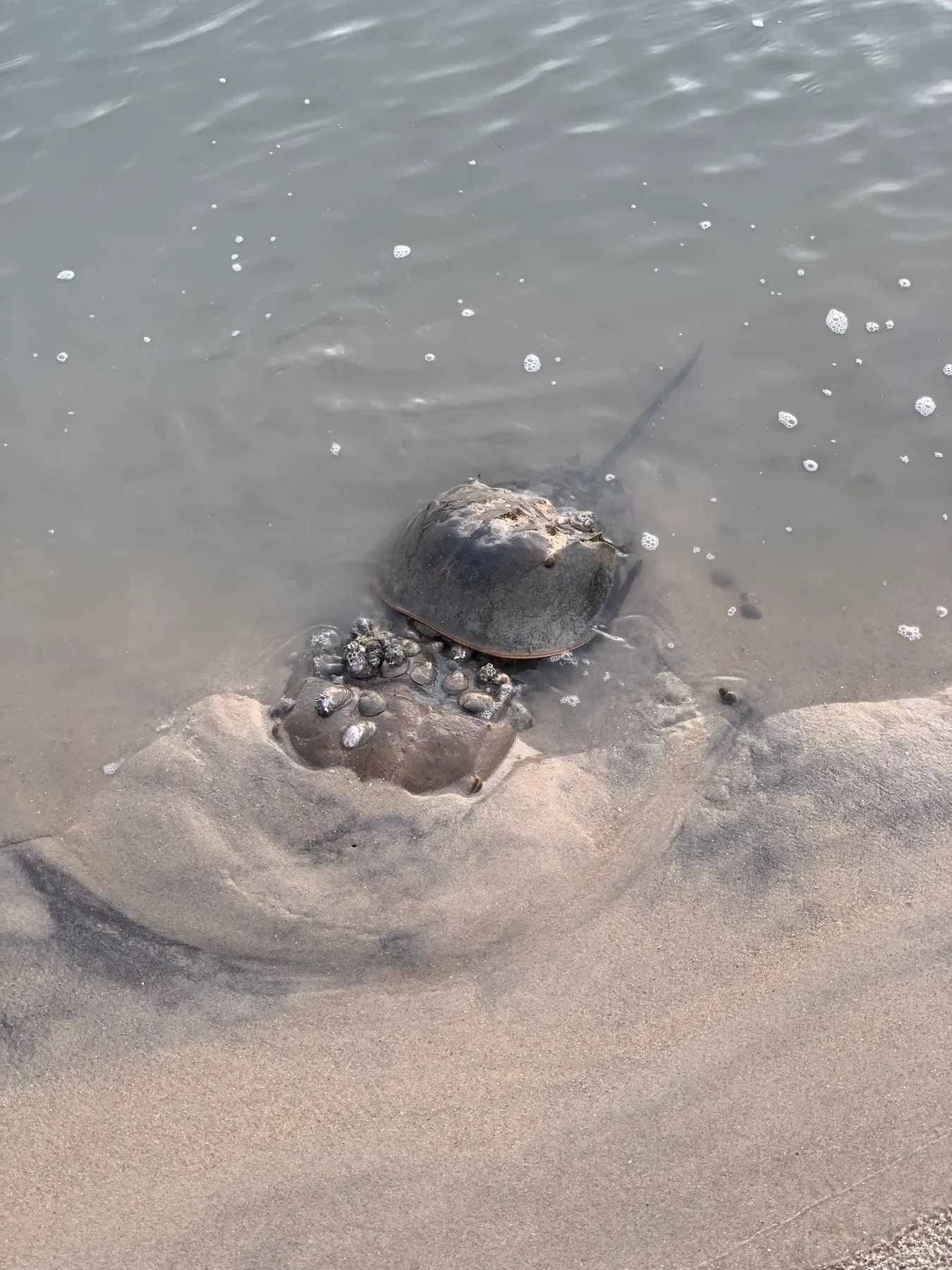
Horseshoe crabs have evolved to synchronize their spawning with lunar cycles.
During the highest tides during the full and new moons:
Males arrive first and wait offshore.
Females crawl onto sandy beaches.
Males attach themselves to the female's shell.
The female digs several shallow nests above the high-tide line.
She deposits thousands of eggs while the attached male fertilizes them.
Over the following two weeks, warm sand incubates the eggs until the next high tides help the tiny young emerge.
How Many Eggs Does a Horseshoe Crab Lay?
One surprising fact about horseshoe crabs is just how many eggs they produce.
A single female can lay 60,000 to 80,000 eggs during an entire spawning season, depositing them in several nests over multiple high tides. Although this sounds like an enormous number, scientists estimate that less than 1% survive to adulthood.
Most eggs become food for migrating shorebirds, fish, sea turtles, and other marine wildlife, making horseshoe crabs one of the most important species in the coastal food web.
Tiny Babies That Already Look Like Adults
One of the most amazing facts about horseshoe crabs is how they hatch.
Unlike many marine animals that begin life as completely different-looking larvae, newborn horseshoe crabs already resemble miniature adults.
They're only about 3 millimeters long, but they already have the same recognizable shell and tail that adult horseshoe crabs display.
Why Horseshoe Crabs Are So Important
The annual spawn supports an entire coastal ecosystem.
Food for Migrating Birds
The nutrient-rich eggs become a critical food source for many shorebirds during migration.
Species including the famous Red Knot depend heavily on horseshoe crab eggs to replenish energy before continuing thousands of miles north to Arctic breeding grounds.
Without healthy horseshoe crab populations, many migratory bird species would struggle to survive.
More Than Birds Benefit
While Red Knots receive much of the attention during horseshoe crab season, many other animals rely on their eggs as well.
The spawning season provides food for:
Red Knots and other migrating shorebirds
Gulls
Herons
Fish
Juvenile loggerhead sea turtles
Numerous marine invertebrates
Because so many species depend on horseshoe crab eggs, biologists consider horseshoe crabs a keystone species whose health affects the entire coastal ecosystem.
Saving Human Lives
Horseshoe crabs also play an extraordinary role in modern medicine.
Their distinctive blue blood contains cells that instantly detect dangerous bacterial contamination.
Scientists use this natural defense to manufacture testing materials that help ensure:
Vaccines are safe
Injectable medications are sterile
Medical implants are contamination-free
Surgical equipment is free of harmful bacteria
This biomedical use has made horseshoe crab blood one of the world's most valuable natural substances.
Why Their Blood Is Blue
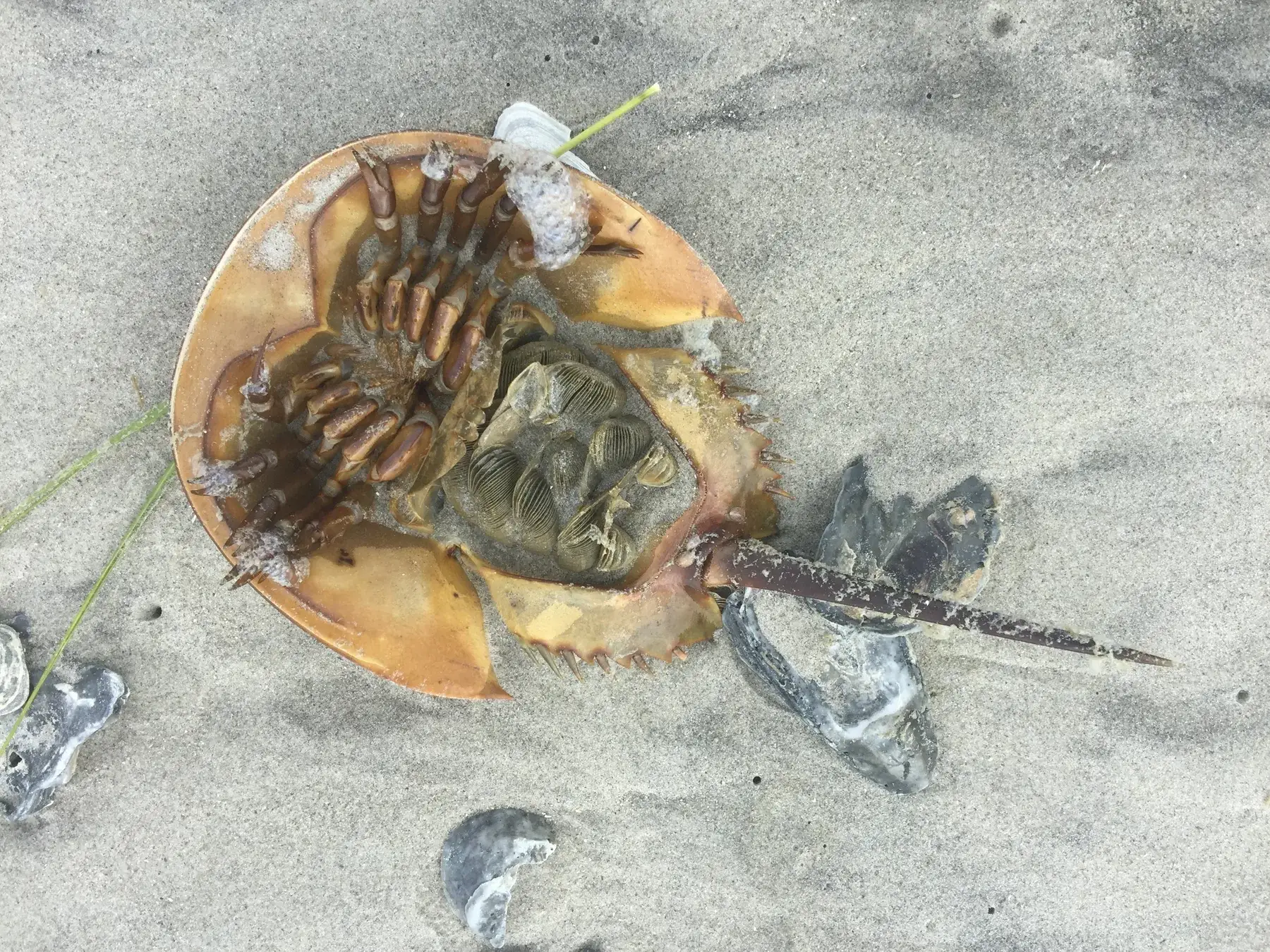
Unlike humans, whose blood uses iron to transport oxygen, horseshoe crabs use copper-based hemocyanin.
Copper gives their blood its remarkable bright blue color when exposed to oxygen.
It's one of the characteristics that makes these ancient animals so unique.
Are Horseshoe Crabs in Decline?
Scientists remain concerned about horseshoe crab populations.
Researchers believe several factors may be contributing:
Habitat Loss
Natural sandy shorelines are increasingly replaced with:
Bulkheads
Riprap
Seawalls
Waterfront development
These hardened shorelines reduce suitable nesting habitat.
Biomedical Harvesting (see above)
Horseshoe crabs are collected so a portion of their blood can be safely drawn before they're returned to the water.
While many survive, researchers estimate that some experience significant stress, and studies suggest mortality rates may approach 30% in some cases after bleeding.
Climate and Environmental Changes
Scientists are also studying whether:
warming waters,
disease,
changing weather patterns, and
other environmental factors
may be affecting long-term populations.
The exact causes remain under investigation.
Horseshoe Crabs Are NOT Currently Protected Under the Endangered Species Act
Because horseshoe crabs migrate across state boundaries, they're managed cooperatively through the Atlantic States Marine Fisheries Commission.
Harvest regulations have become more restrictive over the past two decades, and some recent studies suggest populations in the Delaware Bay region have begun to recover.
Researchers continue to monitor spawning activity each summer in Ocean City and throughout Maryland's coastal bays.
Population Recovery Brings Hope
For many years, scientists worried that horseshoe crab populations were declining because of overharvesting and habitat loss.
There is encouraging news.
According to the Maryland Department of Natural Resources, conservation efforts implemented beginning in the late 1990s—including restrictions on harvesting female horseshoe crabs—have helped populations rebound significantly. Recent stock assessments estimate there are now approximately:
16 million adult females
40 million adult males
throughout the Delaware Bay region, bringing populations back to levels comparable to those seen around 1990.
While scientists continue monitoring the species, these conservation efforts demonstrate that habitat protection and responsible management can make a meaningful difference.
Where to See Horseshoe Crabs in Ocean City
If you'd like to witness this incredible natural event, your best opportunity is during the evenings surrounding the full and new moons in late May through early July.
Some of the best viewing locations include:
Homer Gudelsky Park ("Stinky Beach")
Old Bridge Road, West Ocean City
A local favorite for watching horseshoe crabs enter the shallow bays.
Skimmer Island
Visible from the Route 50 Bridge, this sandy island attracts large numbers of spawning crabs.
Sunset Park
Located in downtown Ocean City along the bay, Sunset Park offers convenient public access.
Old Landing Road
Near 100th Street on the bayside, this quieter shoreline often hosts spawning activity.
Northside Park
The bayside shoreline and fishing pier at 125th Street provide another excellent viewing location.
Assateague Island National Seashore
The protected beaches surrounding Assateague are among the region's most important horseshoe crab habitats.
Tips for Watching Horseshoe Crabs
If you're planning to observe the migration, the ideal viewing time is during the high tide at the full moon.
Visit around high tide after sunset.
Bring a flashlight with a red filter if possible.
Watch from a respectful distance.
Never remove horseshoe crabs from the water.
If you find one stranded upside down, gently flip it over by grasping both sides of the shell—not the tail.
Remember that these remarkable animals are protected wildlife and deserve careful treatment.
An Ancient Tradition Continues
Standing on a quiet bayside beach while thousands of horseshoe crabs emerge from the water is unlike any other wildlife experience on the East Coast.
For more than 450 million years, these extraordinary creatures have followed the same lunar rhythm, surviving events that wiped out countless other species.
Today, Ocean City visitors have the rare opportunity to witness that ancient tradition firsthand—a reminder that some of nature's greatest spectacles have been unfolding long before humans ever arrived.
Plan Your Ocean City Adventure
Whether you're visiting for the beaches, the Boardwalk, or one of nature's oldest migrations, Ocean City offers countless opportunities to experience Maryland's incredible coastal environment.
Be sure to explore more Ocean City nature guides, family activities, events, and local attractions here on OceanCity.com.
Links for more information:
high tides in Ocean City: https://www.usharbors.com/harbor/maryland/ocean-city-md-inlet-md/tides/
The Bay Net: https://thebaynet.com/where-to-see-horseshoe-crabs-in-maryland-best-beaches-and-when-to-go/
The Baltimore Banner: https://www.thebanner.com/community/local-news/summer-horseshoe-crab-migration-ocean-city-5VC73JWS5VF77E3R634MOXSAH4/
About Ann
Get Ocean City in your inbox
Updates, events, and deals — delivered weekly. No spam, unsubscribe anytime.
From visitors
Comments
Have something to add? Drop a comment below.
Be the first to share your experience.