News
Dolphins, Dolphins and Porpoises - What's the Difference?
By AnnJanuary 11, 20234 min read
On this page
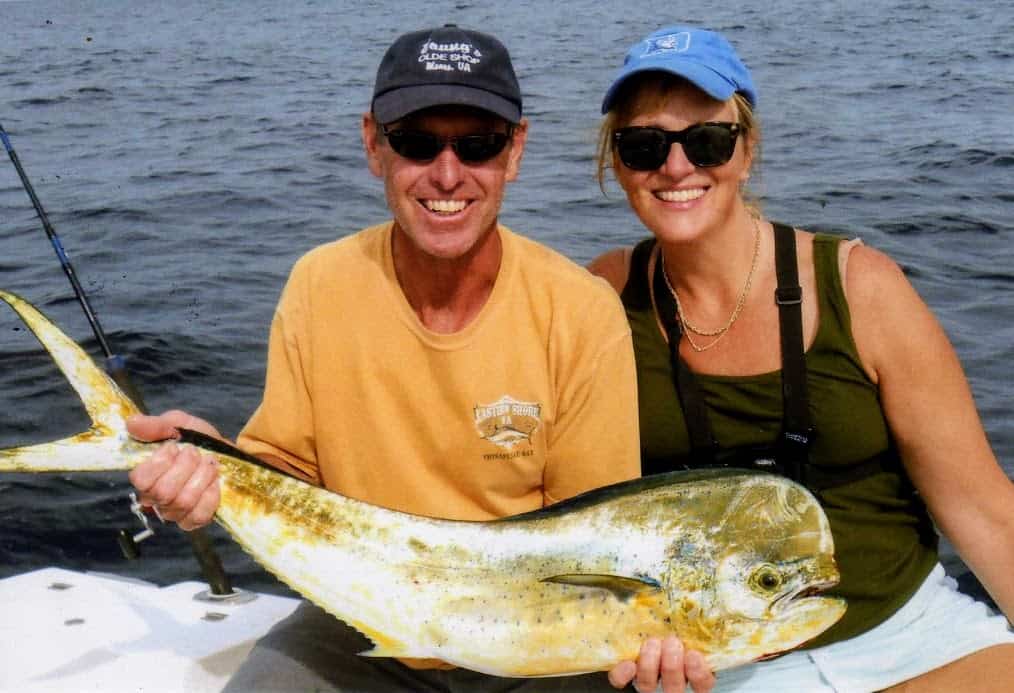 The dolphin fish is also called mahi mahi and is exceptionally good eating!
DOLPHIN FISH (a category in the White Marlin Open)
Order: Perciformes Family: Coryphaenidae Genus: Coryphaena Species: hippurus and equiselis
The English name for all of these fish is "dolphin" and they are not mammals. Their Pacific name is "mahi mahi" and that is frequently how they are marketed - probably to avoid confusion, particularly in a restaurant. Other English language names for these fish include: dolphinfish, dolphin, common dolphin, common dolphin fish, common dolphinfish, dolphin fish, green dolphin, mahi mahi, and mahi-mahi. https://www.floridamuseum.ufl.edu/discover-fish/species-profiles/coryphaena-hippurus/ This fish is a beautiful fish in the water. It is primarily green and yellow with a yellow and white belly and metallic blues and silvers often present on top. "They have special color changing cells called chromatophores, which are three-dimensional, pigment containing, light reflecting cells, which gives them the ability to flicker their colors. These chromatophores are connected to the fish’s nervous system, which prompts them to change colors when excited, and also the reason why their color fades when they pass away." You can see these beautiful fish flash their colors as they swim through a chum line or leap in the air. https://pelagicgear.com/blogs/news/species-profile-the-brilliant-mahi-mahi If you have never caught a dolphin (fish), they are spectacular to watch as they leap out of the water and shake their bodies to dislodge the hooks. They can grow up to 6' in length, but are more commonly caught at around 3 feet. They are one of the fastest growing fish in the sea where they can reach a length of 4' in one year. Males have a blunter head - almost square - with a bony patch on the forehead. Females usually have rounder, tapered heads. "Mahi-Mahi live in tropical and subtropical regions of the Atlantic, Pacific, and Indian Oceans. They predominantly live in open oceans following currents and preferred temperature breaks, and will often associate with floating objects such as sargassum weed, kelp, trash debris, and FAD’s, which all attract other forms of life that the Mahi will feed on. Mahi primarily feed during the daytime, with some of their prey being small fin bait, cephalopods, and crustaceans." https://pelagicgear.com/blogs/news/species-profile-the-brilliant-mahi-mahi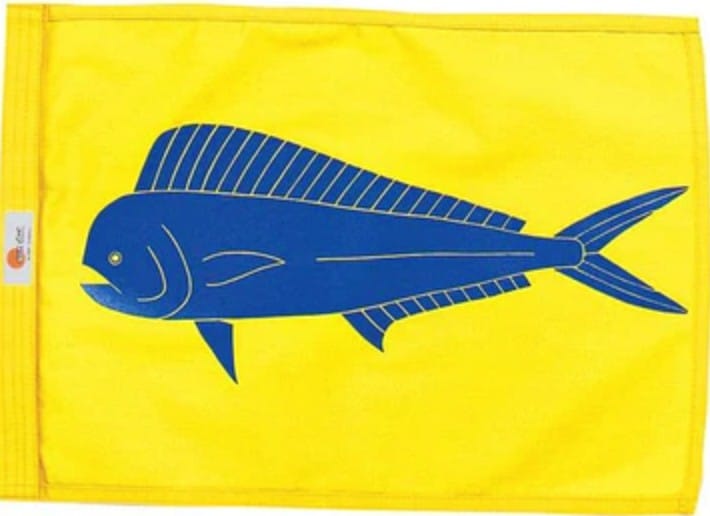
Dolphin
Order: Cetacea Families: Delphinidae (40 species of which 6 are called whales,) Platanistidae, Iniidae, Pontoporiidae, and the extinct Lipotidae.
Species: 32 different species with 5 closely related species of river dolphins
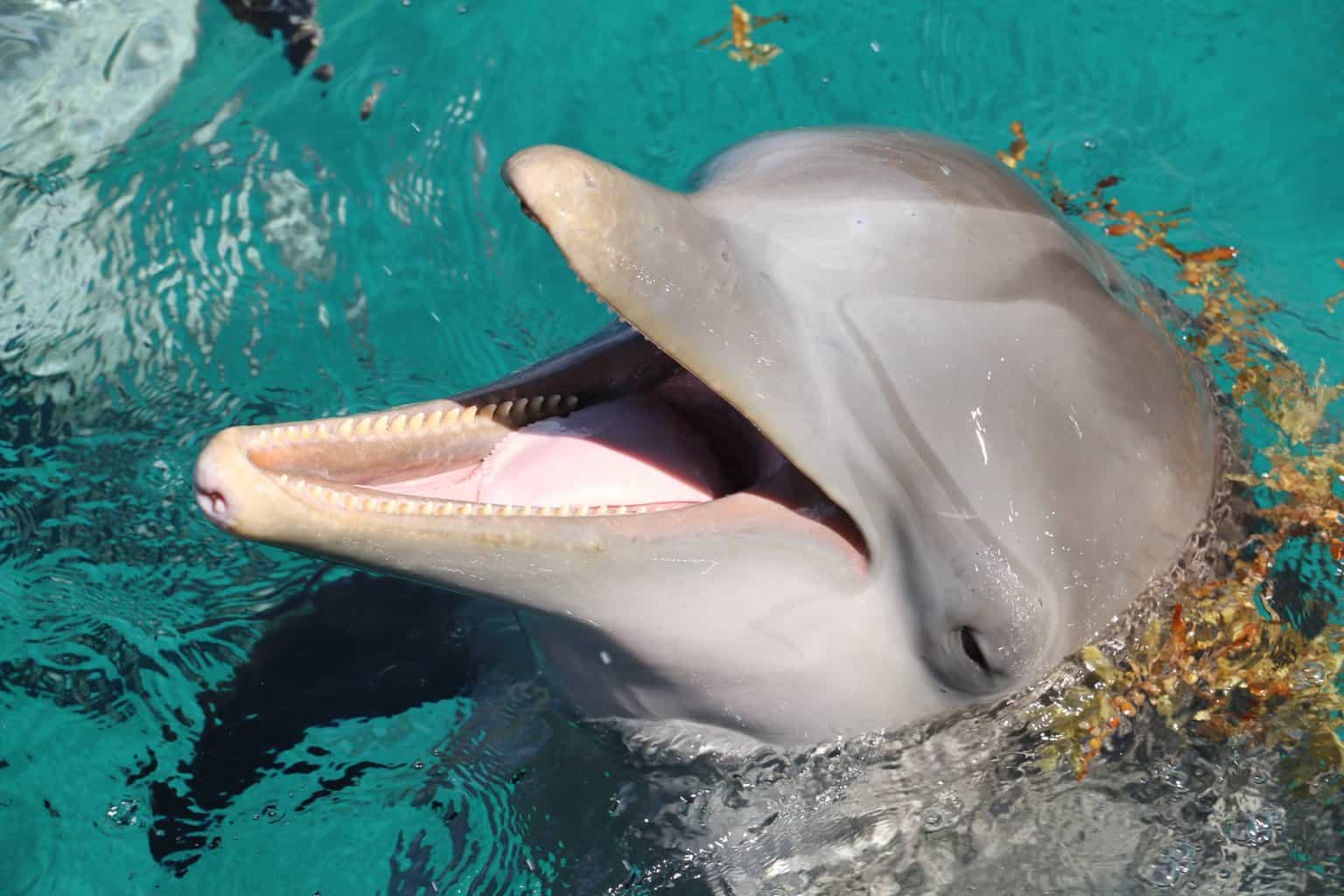
Dolphins are thinner, have longer beaks (rostrums) and cone or needle-shaped teeth. Dolphins have curved dorsal fins (the ones you see coming out of the water). They are believed to be more verbal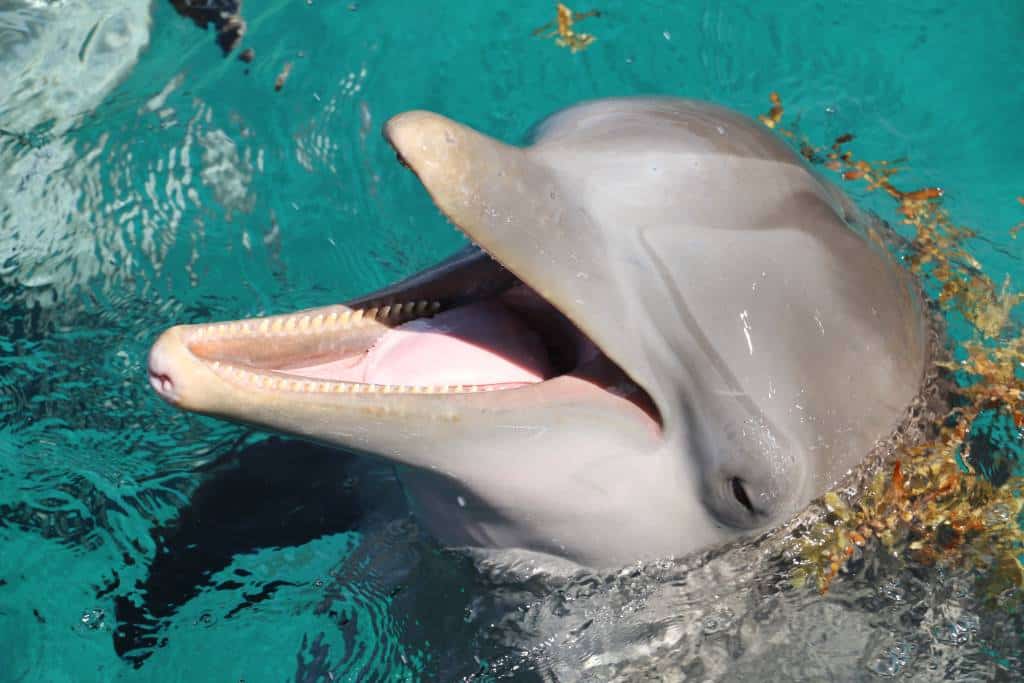 Photo by darin ashby on Unsplash
Porpoise
Order: Cetacea
Family: Phocoenidae Species: 6 different species
Porpoises are stouter, have smaller beaks or no beak at all, pointed flippers, and their dorsal fin is smaller and triangular. Scientists don't think that porpoises communicate with one another through their blow holes due to a structural difference in their anatomy. People seem to use the terms dolphin and porpoise interchangeably, but they are cousins and not the same. Both are cetaceans which comes from the Latin word cetus or "whale" and the Ancient Greek word "kêtos" or "huge fish or sea monster." "There are approximately 89[7] living species split into two parvorders: Odontoceti or toothed whales (containing porpoises, dolphins, other predatory whales like the beluga and the sperm whale, and the poorly understood beaked whales) and the filter feeding Mysticeti or baleen whales (which includes species like the blue whale, the humpback whale and the bowhead whale). Despite their highly modified bodies and carnivorous lifestyle, genetic and fossil evidence places cetaceans as nested within even-toed ungulates, most closely related to hippopotamus within the clade Whippomorpha." https://en.wikipedia.org/wiki/Cetacea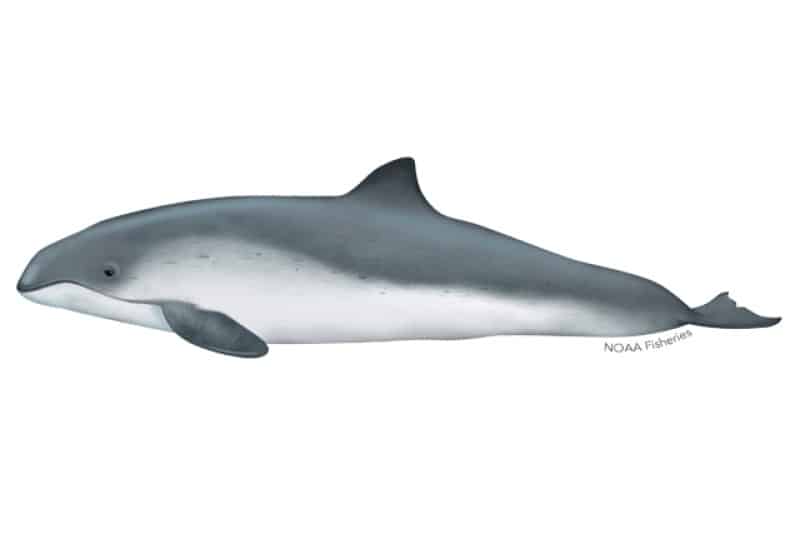 Harbor porpoise from NOAA
About Ann
Ann has been with StateVentures since 1999. She moved from Annapolis to Berlin, MD to be closer to Ocean City. She loves a camera and any excuse to use it. Her kids are both grown and off adventuring. Ann loves the beach. She loves to fish, travel with her children and grandchildren, and find the best restaurants and deals in Ocean City.
Get Ocean City in your inbox
Updates, events, and deals — delivered weekly. No spam, unsubscribe anytime.
From visitors
Comments
Have something to add? Drop a comment below.
Be the first to share your experience.