
Day Trips
The Battle of Vienna: The Revolutionary War Story Hidden Along the Road to Ocean City
Thousands of travelers cross the Nanticoke River on their way to Ocean City without realizing that a nearly forgotten Revolutionary War battleground—and a mysterious 18th-century shipwreck—lie beside and beneath the Route 50 bridge. On August 29, 2026, Vienna’s hidden past returns to the river during the Battle of Vienna Living History Day.
By AnnJuly 29, 20268 min read
On this page
Thousands of travelers cross the Nanticoke River on their way to Ocean City, Maryland. Few realize that beneath the bridge—and inside the quiet town beside it—lies the evidence of a nearly forgotten American battlefield.
The Nanticoke River appears suddenly on the drive to Ocean City, Maryland. Route 50 rises above the marsh, crosses a broad sweep of dark water and descends toward the small town of Vienna.
Most beach-bound travelers barely notice it.
But Vienna is not simply another sleepy Eastern Shore town bypassed by a modern highway. More than four centuries of American history have accumulated along this bend in the river: a great Nanticoke settlement encountered during Captain John Smith’s exploration, a colonial port that once competed with Baltimore, repeated attacks during the American Revolution, a mysterious 18th-century shipwreck and the home of the governor credited with keeping Maryland in the Union.
On August 29, 2026, this obscured past will return to the waterfront during the Battle of Vienna Living History Day. Buy your tickets here!
Before Vienna, There Was a Great Nanticoke Village
Vienna’s story did not begin with the English settlement founded there in 1706.
For generations, the Nanticoke people lived beside the river that now bears their name. When Captain John Smith explored the Nanticoke River in 1608, he recorded Kuskarawaok, the principal—or emperor’s—village of the Nanticoke, near present-day Vienna.
The wider area was also known as Chicone or Chicacone. Archaeological evidence and written accounts reveal a large, politically important Indigenous community rather than an untouched wilderness awaiting European settlement.
The river was its highway.
It carried people, food and trade long before European ships entered the Chesapeake Bay. Today, Vienna’s Emperor’s Landing waterfront preserves the memory of those original inhabitants, although relatively few people speeding across the bridge know what the name signifies.
The Eastern Shore Port That Once Challenged Baltimore
Vienna was formally established by Maryland’s Colonial Assembly in 1706. Its location was no accident.
Ocean-going vessels could sail from the Chesapeake Bay into the Nanticoke River, while smaller craft and barges carried goods farther inland toward Delaware. Tobacco and other agricultural products moved through Vienna’s waterfront. Ships were built along the river, merchants established offices in town and a regional customs district was created there in 1768.
For a time, Vienna was competing for commerce with a relatively new port on Maryland’s Western Shore: Baltimore.
It is difficult to reconcile that Vienna with the town we see today. The bustling wharves are gone. The riverfront warehouses have disappeared. Traffic now passes over the town instead of arriving at its docks.
Yet the surviving historic houses, narrow streets and riverfront still follow the outline of the old port. Vienna did not begin as an isolated village. It became quiet only after the commercial world moved elsewhere.
When the Revolution Came Up the Nanticoke
The phrase “Battle of Vienna” suggests a single confrontation fought on one decisive day. The truth is more complicated—and perhaps more unsettling.
Between 1779 and 1782, British forces and Loyalists repeatedly entered the Nanticoke River and attacked Vienna and surrounding Patriot properties. They seized provisions, looted plantations, captured vessels and burned ships.
Vienna mattered because it supplied goods to the Continental cause. Its river made commerce possible, but that same river also provided the enemy with a direct route into the town.
The conflict was especially dangerous because the attackers were not always strangers from across the Atlantic. Some were local Loyalists—Eastern Shore residents who remained faithful to the Crown and knew the river, its settlements and its families.
This was a civil conflict as well as a revolution. Neighbors could find themselves on opposite sides, and the plantations and farms of known Patriots became targets.
Letters Reveal What Happened at Handsell
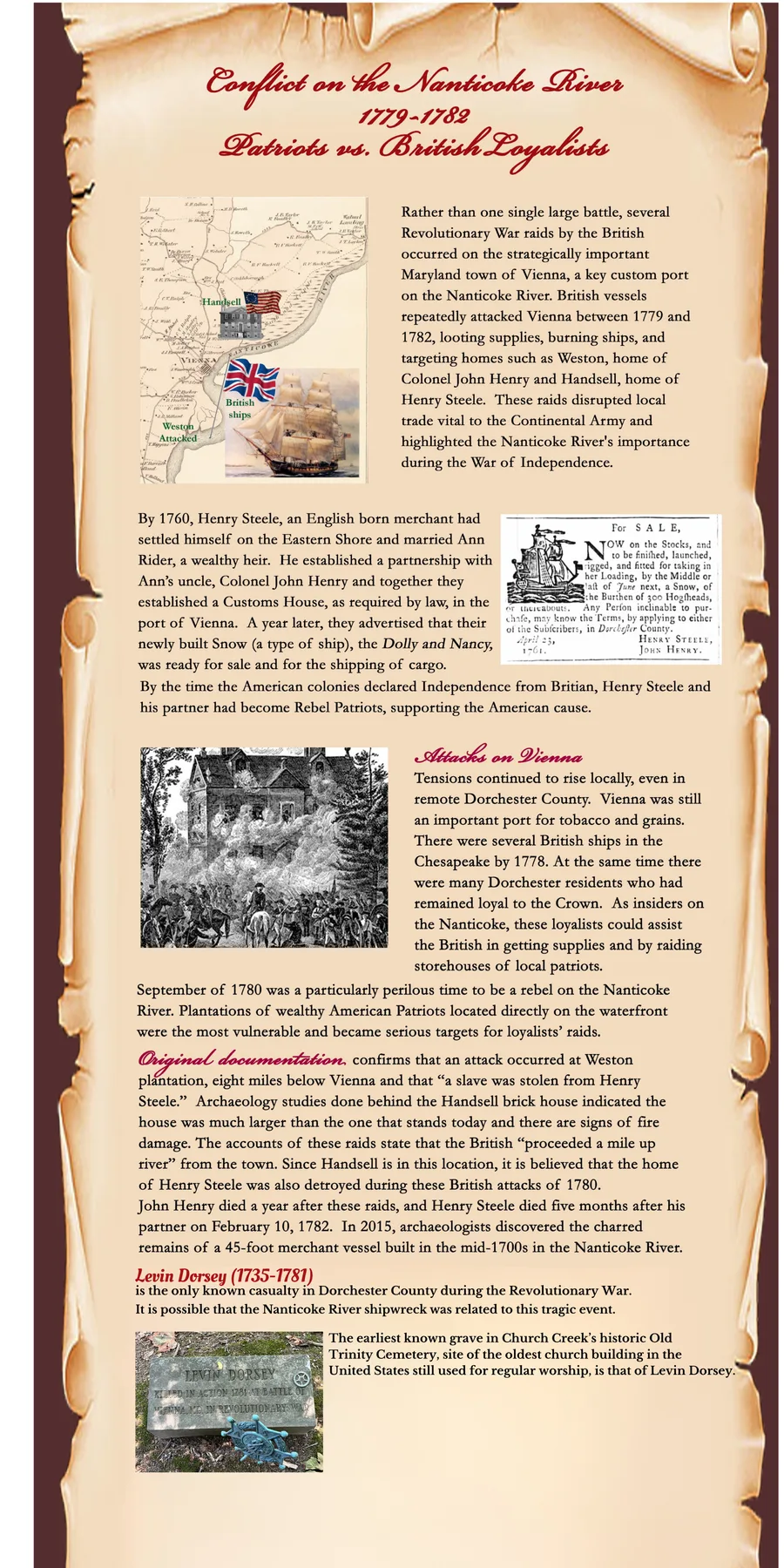
For years, historians knew that Weston, the nearby estate of Maryland Governor John Henry, had been attacked. What happened at Handsell, another prominent plantation associated with Vienna’s colonial economy, was less certain.
That changed with the discovery of Steele family documents containing letters written between 1755 and 1788.
The Steele family owned Handsell during the Revolution. According to researchers, the newly available correspondence confirms that the property suffered extensive losses during the raids, including buildings, possessions and enslaved people. The estimated damage would be worth roughly $2.5 million today.
The documents also demonstrate how closely Handsell was connected to Vienna. Henry Steele of Handsell and John Henry of Weston were business partners. They maintained an office in town and built Vienna’s Customs House in 1761.
The battle, therefore, cannot be understood as something that happened only on the waterfront. Vienna, Handsell, Weston and the farms along the Nanticoke formed one interconnected commercial landscape—and the British and Loyalist raiders attacked that entire system.
Researchers have now identified approximately 78 men who served in the Vienna militia. They are also investigating the story of Levin Dorsey, believed to have been the only man killed in the fighting. He was buried at Old Trinity Church.
The war survives here not through a grand monument, but through names in old records, family letters and fragments recovered from the river.
A Colonial Ship Was Waiting Beneath the Route 50 Bridge
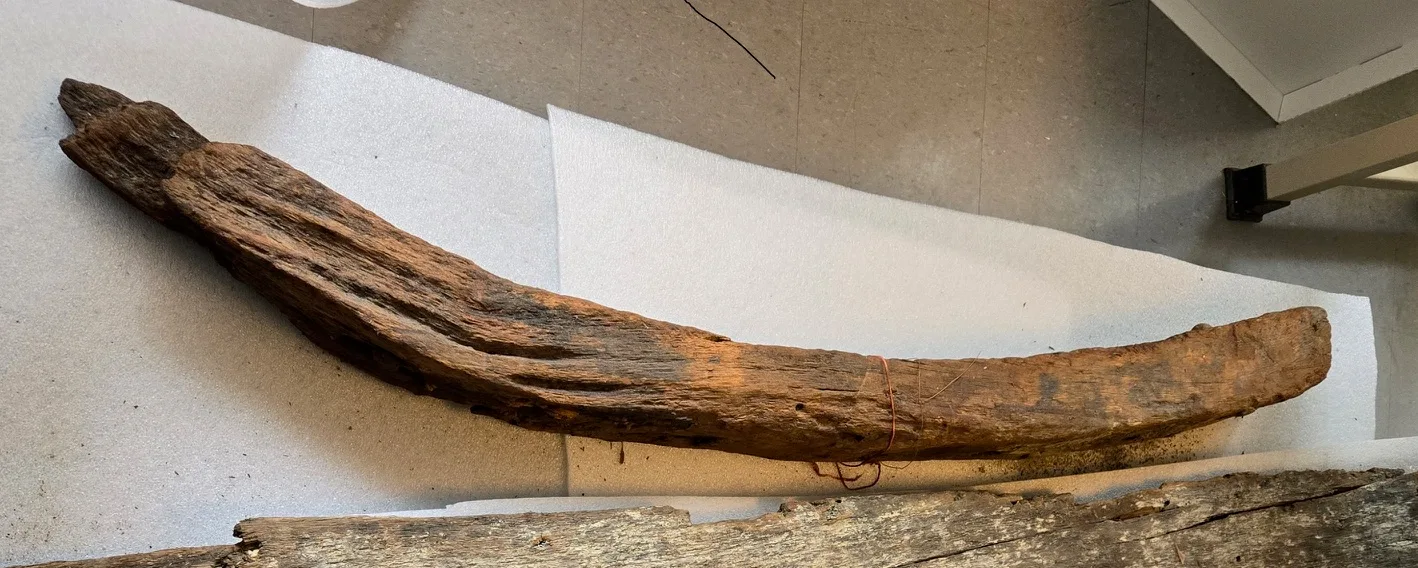
In 2015, crews repairing the Route 50 bridge made a remarkable discovery approximately 30 feet below the surface of the Nanticoke River.
Pieces of wood initially mistaken for ordinary debris proved to be the remains of an 18th-century merchant vessel.
The locally built ship measured as much as 45 feet long. Wooden pegs held its timbers together, and archaeologists found saw marks and carved symbols in the surviving wood. Analysis showed that it was constructed primarily from Maryland oak harvested along the central Chesapeake Bay.
It may represent an early step in the evolution of the vessels that eventually became the famous Baltimore Clipper.
No one knows the ship’s name or exactly how it came to rest beneath the bridge. Records show that vessels were being constructed in the Vienna area during the same period, including the Ryder in 1738 and the Dolly and Nancy, launched in Vienna in 1761. The wreck may have been built at a small local shipyard or even on one of the riverside plantations.
Its connection to the Revolutionary attacks has not been proven. That uncertainty is part of its fascination.
For more than two centuries, the river kept the ship—and whatever happened to it—hidden.
Preserved pieces of the vessel will be shown publicly during the Battle of Vienna event at the John Smith Discovery Center. Visitors will be able to examine planks, fittings, rigging components and curved frame timbers recovered from beneath a bridge many of them have crossed countless times.
The Governor’s House and Another War
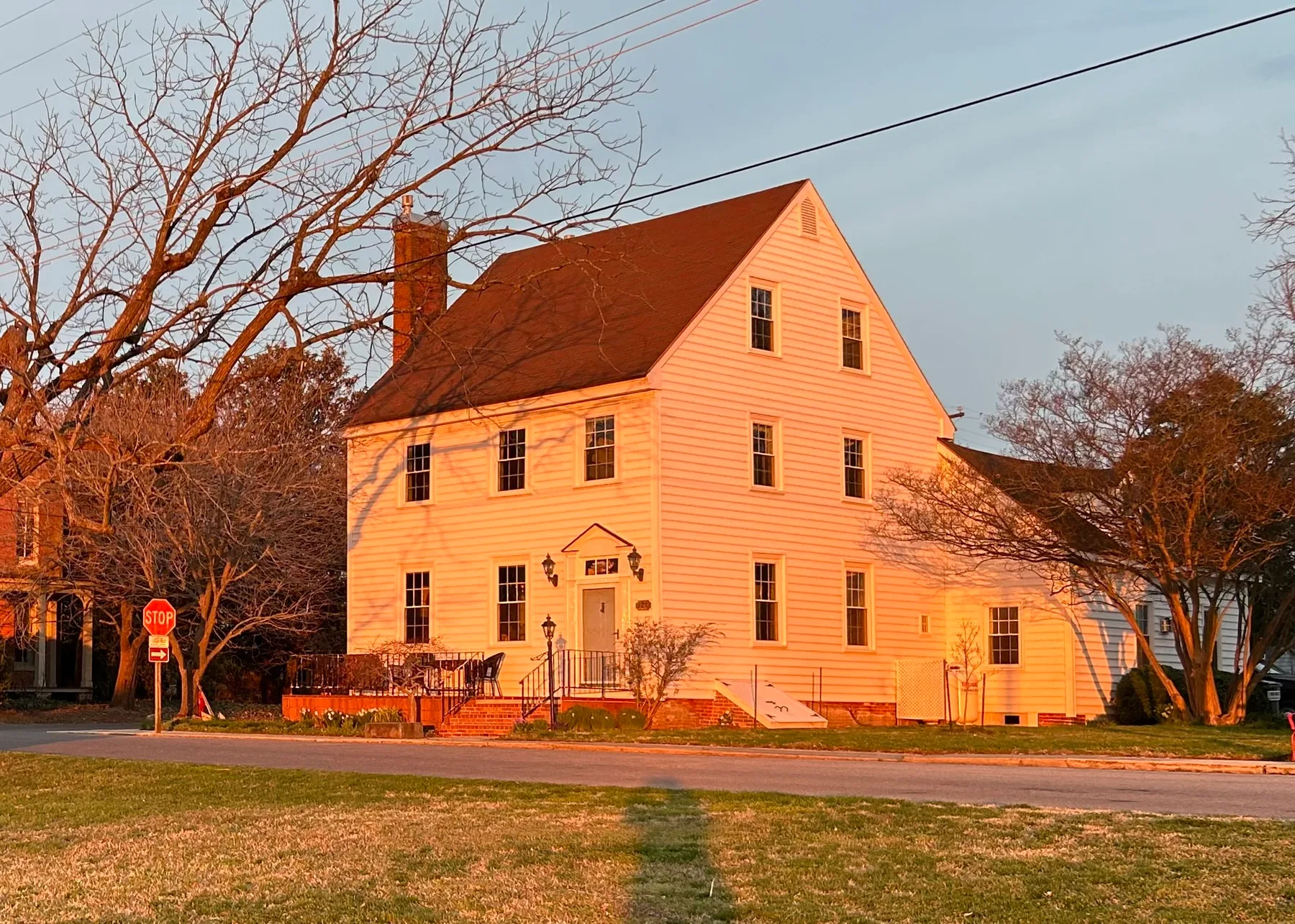
Vienna also played an intriguing role in the next great conflict to divide the country.
Thomas Holliday Hicks, Maryland’s governor at the beginning of the Civil War, once lived in one of the town’s historic homes. Hicks is widely credited with helping prevent Maryland from seceding from the Union—a decision of enormous strategic importance because Washington, D.C., would otherwise have been surrounded by Confederate territory.
The quiet streets of Vienna therefore connect two defining struggles: the Revolution that created the United States and the Civil War that nearly divided it.
British forces also returned to Vienna during the War of 1812. Local tradition associates that period with a waterfront defensive wall constructed from stones once carried as ballast aboard ships. Remnants can still be seen near the historic Customs House.
The Battle of Vienna Returns on August 29
The Battle of Vienna Living History Day will take place Saturday, August 29, 2026, from 10 a.m. to 4 p.m. Programs will be divided between the Vienna waterfront and Handsell Historic Site.
The two locations will tell different but connected parts of the story.
Planned activities include:
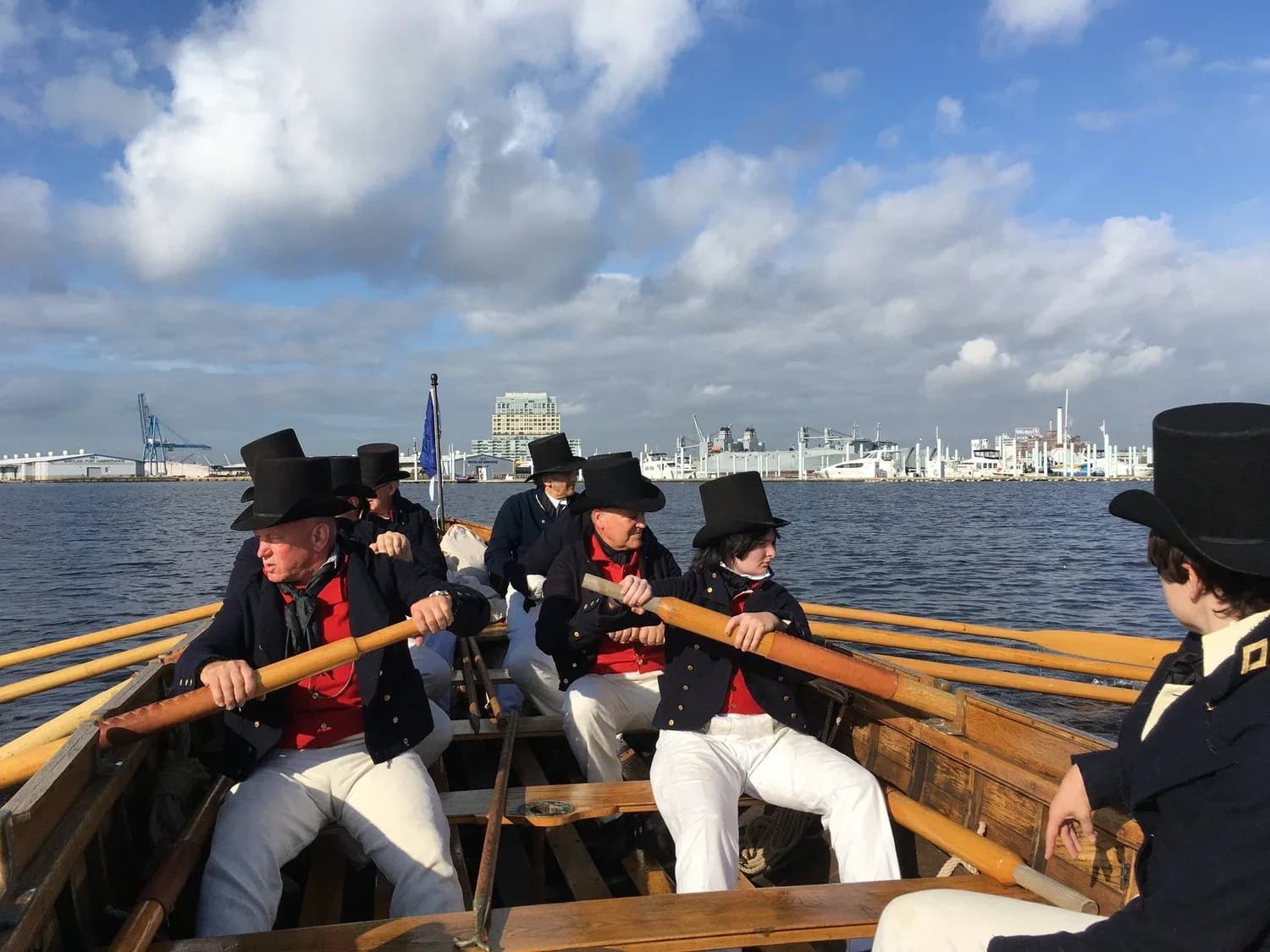
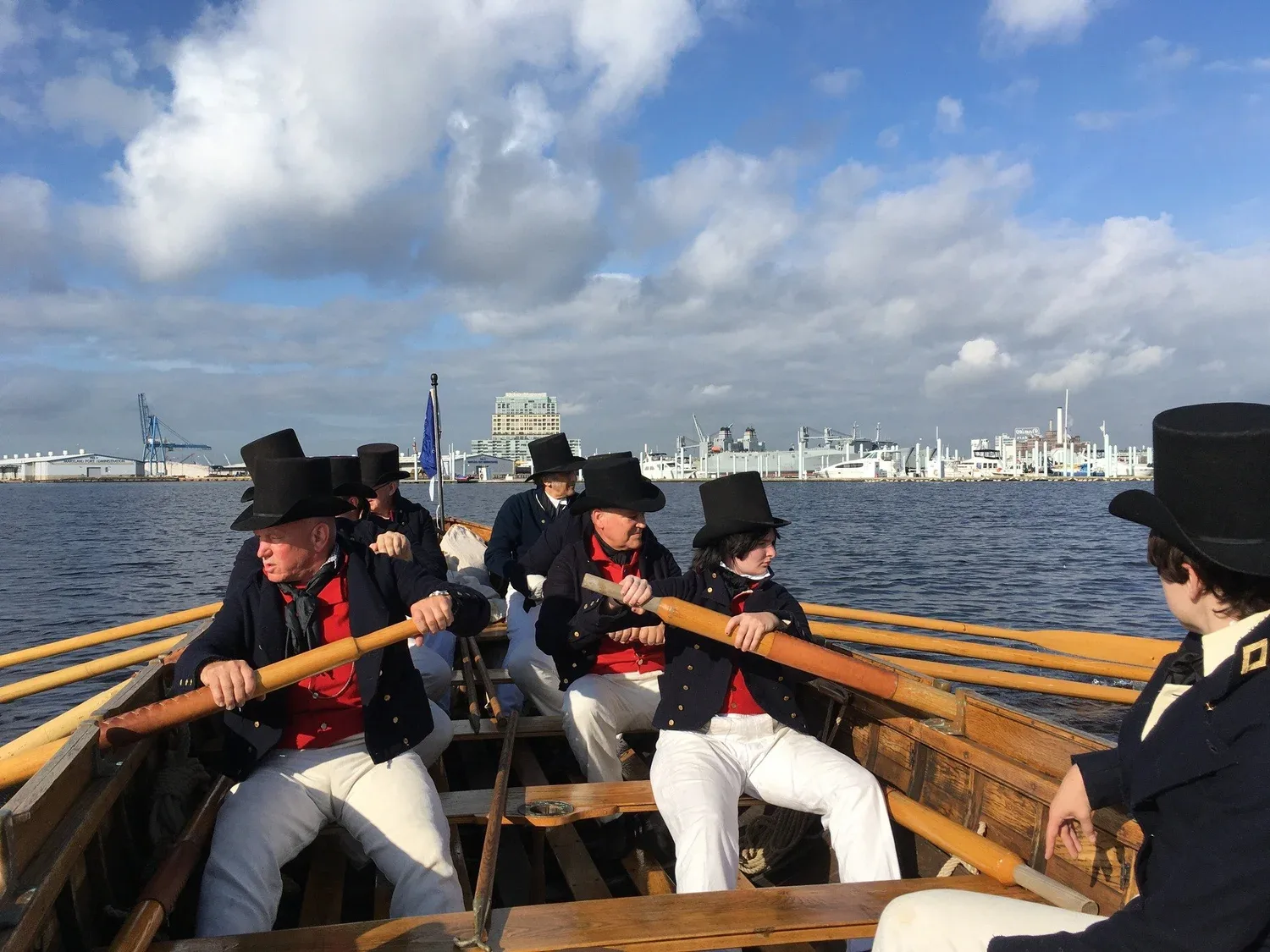
Revolutionary War military and maritime reenactors
Two replica colonial boats on the Nanticoke River
The first public display of preserved pieces from the Vienna shipwreck
Colonial music, crafts and children’s games
Blacksmithing, woodworking, spinning and hearth-cooking demonstrations
Presentations about Indigenous ingredients in colonial cooking
Members of the Pocomoke Indian Nation presenting an Indigenous perspective
Noah Lewis portraying Ned Hector, a Black Revolutionary War soldier
Exhibits exploring the raids on Vienna, Handsell and nearby plantations
Food trucks and family activities
A separate Meet the Military dinner with the Chesapeake Independent Blues is scheduled at Handsell’s Three Cultures Center from 5 to 7 p.m.
Battle of Vienna Event Details
Date: Saturday, August 29, 2026
Time: 10 a.m.–4 p.m.
Locations: Emperor’s Landing waterfront in Vienna and Handsell Historic Site, 4837 Indiantown Road, Vienna, Maryland
Day admission: $10; children younger than 12 are free
Evening dinner: Scheduled for 5–7 p.m.; separate ticket required
Visitors can check in or purchase day-of tickets at the Handsell admission tent or Vienna Toll House. Because schedules and ticket availability may change, confirm the latest information through the Town of Vienna or Restore Handsell before traveling.
You can also hear Dr. Patricia Johnson and Midge Ingersoll discuss the research behind the event in the WHCP Shore Stories interview.
EVENT SCHEDULES
HANDSELL & Downtown VIENNA
ALL DAY & ONGOING
10:00 am – 4:00 pm
HANDSELL
Living history demonstrations and talks — woodworking, blacksmith, rug hooking
House tours
TCC
Chicone Village
Livestock display — sheep and chickens
Military encampment
VIENNA
Colonial Shipwreck — John Smith Discovery Center
Colonial boats — waterfront and maritime reenactors
Maritime displays
Vendor crafts
Food vendors
10:00 am – 2:00 pm
VIENNA
Colonial games — all ages
Maritime tattoo
Face painting
Pottery making
Chalk art
SCHEDULED EVENTS
10:00 am
VIENNA
Opening ceremony — Town Crier and VIPs
Music: Chanteymen at the wharf
10:30 am
HANDSELL
Musket firing — Town Crier
Noah Lewis
11:00 am
HANDSELL
Music by Ampersand
VIENNA
Music: Chanteymen at the gazebo
12:00 pm
HANDSELL
Reading of the Names
Code songs
1:00 pm
HANDSELL
Ned Hector talk
VIENNA
Walking tour — historic homes and buildings
2:00 pm
HANDSELL
Music by Ampersand
VIENNA
Music: Chanteymen walking
3:00 pm
HANDSELL
Musket demonstration
VIENNA
Tomato War
3:30 pm
VIENNA
Music: Chanteymen at the wharf
5:00 – 7:00 pm
HANDSELL
Military Dinner
Separate ticket required
A Different Kind of Stop on the Way to Ocean City
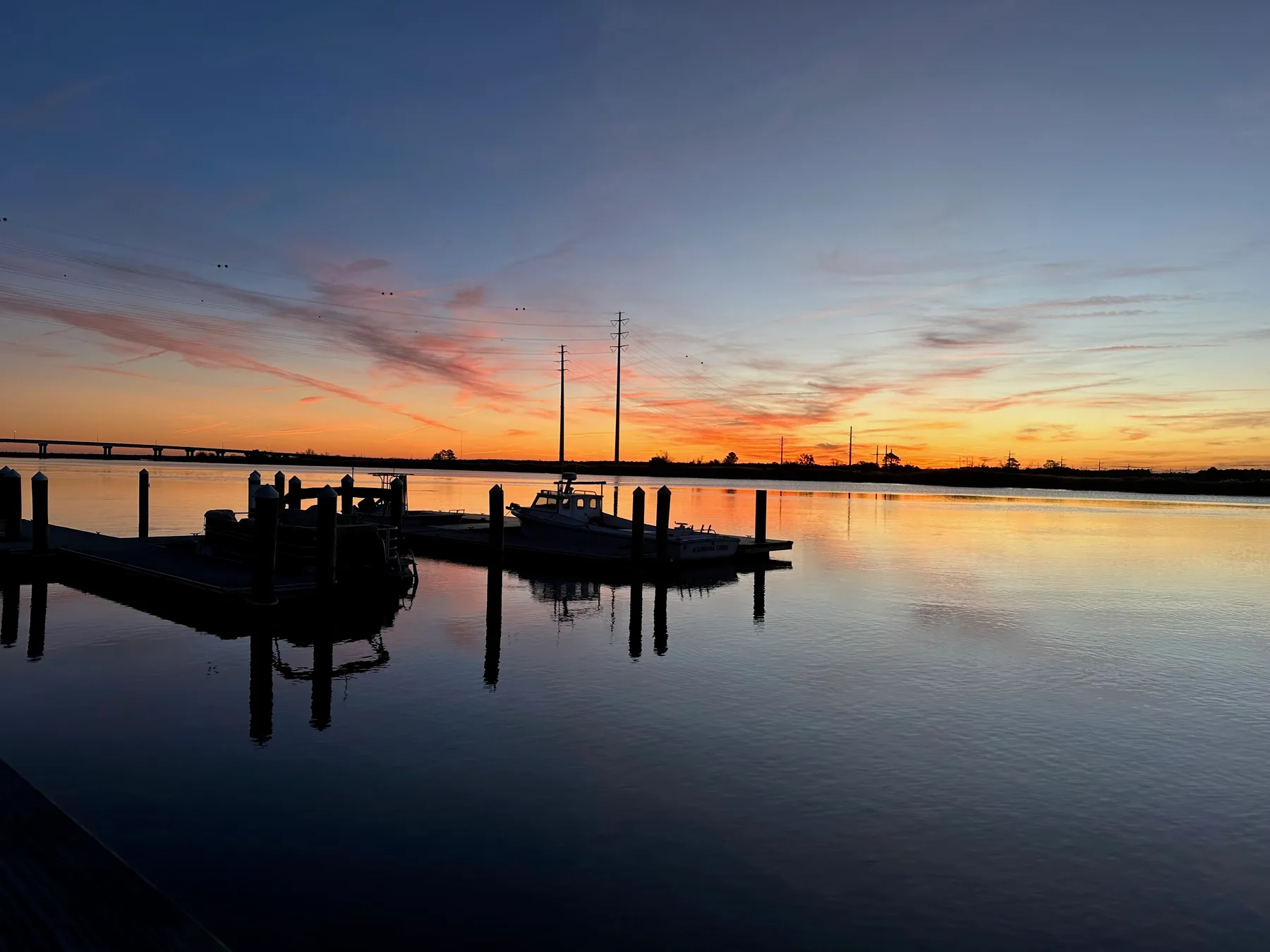
Vienna lies midway between the Chesapeake Bay and the beach, making the Battle of Vienna an unusual addition to an Ocean City weekend—or a compelling stop on the trip home.
Ocean City visitors looking beyond the Boardwalk can find more ideas in our guide to history day trips from Ocean Cityand our collection of Eastern Shore day trips.
But even without the event, Vienna deserves a slower look.
Turn off Route 50. Follow the old streets toward the river. Look at the historic houses and the remnants of the waterfront wall. Consider the enormous Nanticoke community that preceded the colonial town, the ships that once crowded the port and the raiders who came silently upriver.
Then look back at the bridge.
Beneath it, the Nanticoke is still holding secrets.
About Ann
Get Ocean City in your inbox
Updates, events, and deals — delivered weekly. No spam, unsubscribe anytime.
From visitors
Comments
Have something to add? Drop a comment below.
Be the first to share your experience.